
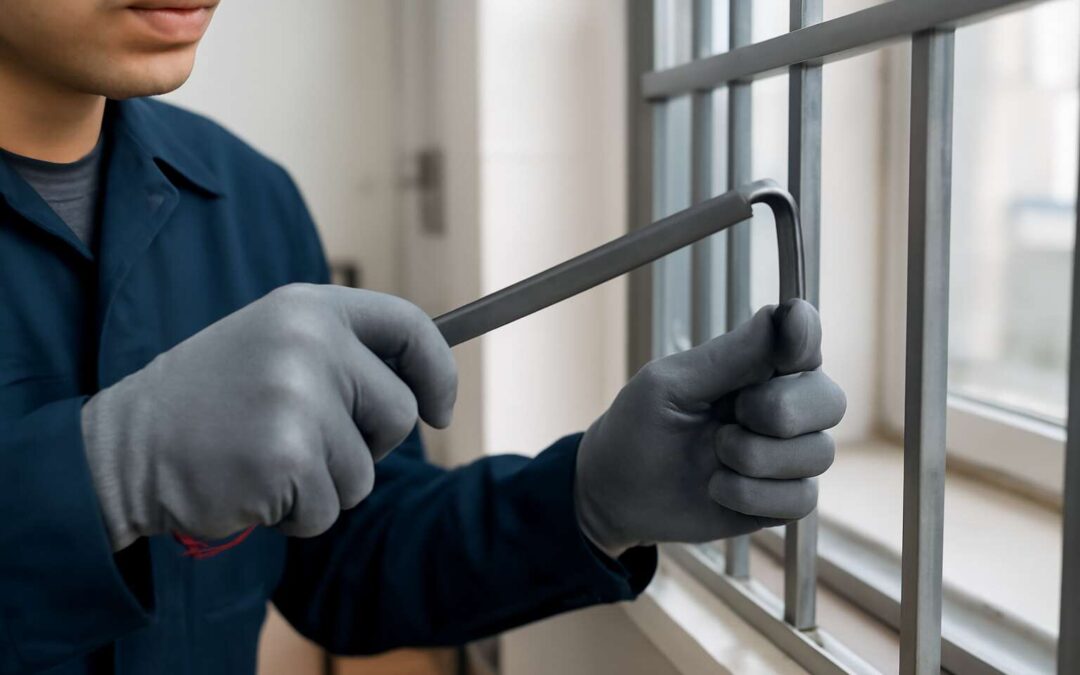
Understanding Removal Tools for Security Bars
Definition and scope of removal tools
Sturdy security bars guard homes across South Africa, from leafy suburbs to rural stoep houses, yet every retrofit or maintenance moment tests their grip. A surprising 28% of repair calls involve removal work, reminding us that the right burglar bars removal tool matters as much as the bars themselves. These tools define scope, safety, and speed in the field.
Understanding removal tools means distinguishing manual versus powered options. The scope covers safeguarding installers and residents alike, from grabbing bars at joints to careful separation with minimal collateral damage. Common categories include:
- Manual pry bars and wedges
- Rotary cutting tools
- Protective gear and clamps
Ultimately, such considerations shape best practices in installation and removal work, and the burglar bars removal tool lives at the center of secure, humane handling!
Common types used in residences
Across South Africa, 28% of repair calls involve removal work, a statistic that speaks to the quiet demand for precision. In the trenches of installation and maintenance, the right tool sets the tone for speed and safety.
- Manual pry bars and wedges
- Rotary cutting tools
- Protective gear and clamps
The burglar bars removal tool you choose should match joints and bolts, and fit the rhythm of careful, humane handling. I’ve learned that the tool becomes an ally, shaping safer, cleaner results for both home and heart!
Legal and ethical considerations for use
Security bars stand as quiet sentinels, and in South Africa the need for precise removal work is a steady undercurrent—affecting 28% of repair calls in some urban districts. The burglar bars removal tool becomes more than hardware; it is a careful instrument, guiding effort with respect for the metal, the frame, and the home it protects!
Legal and ethical considerations shape every engagement with burglar bars removal tool. Return access only with explicit permission, and operate within contractual boundaries. In South Africa, compliance spans property rights, insurance clauses, and safety regulations.
- Written authorization from the owner or managing agent
- Clear scope and duration of access
- Safety compliance and license requirements
- Documentation of work and accountability
Beyond compliance, there is a moral dimension—precision, care, and transparency for residents who trust professionals with their most tangible security.
Safety, Legal, and Compliance Considerations
Legal permissions and compliance guidelines
Safety remains the steadfast guardian when handling a burglar bars removal tool. Respect for the instrument, careful footing, and clear surroundings guard both person and property. A misstep can scar ceilings, panes, or pride—proceed with measured resolve.
- Wear protective gear: goggles, gloves, sturdy footwear
- Keep bystanders clear; secure pets and children
- Check for nearby hazards before any approach
Legal responsibilities rest on consent, ownership, and local statutes. A written authorization from the owner, clear boundary terms, and awareness of insurance requirements prevent disputes and penalties that lurk in the shadows of misuse.
Compliance threads through practice like a careful compass. Align with industry standards, maintain training records, and store tools properly to honor warranties and liability. In South Africa, regulators reward diligence with clarity, accountability, and safer spaces.
Personal safety protocols and PPE
Safety is the iron backbone of any task with a burglar bars removal tool. I move with measured resolve, letting PPE and purpose guide every gesture to keep the night from swallowing the work.
- Goggles to guard against shards
- Gloves to shield hands
- Sturdy footwear for stable footing
Legal responsibilities hinge on consent, rightful ownership, and local statutes. A written authorization from the owner, clear boundary terms, and awareness of insurance requirements prevent disputes and penalties that lurk in the shadows of misuse.
Compliance threads through practice like a careful compass. Align with industry standards, maintain training records, and store tools properly to honor warranties and liability. In South Africa, regulators reward diligence with clarity, accountability, and safer spaces.
Liability and risk assessment
Safety is the quiet, relentless anchor in any undertaking. With the burglar bars removal tool in hand, risk becomes a measured consequence rather than a reckless impulse. I move with deliberate rhythm, letting PPE and purpose guide every gesture. Goggles, gloves, and sturdy footwear—these are not adornments but frontline protections.
Legal responsibilities hinge on consent, rightful ownership, and local statutes. A written authorization from the owner, clear boundary terms, and awareness of insurance requirements prevent disputes and penalties that lurk in the shadows of misuse. Using a burglar bars removal tool without consent is not just reckless—it’s unlawful.
Compliance threads through practice like a careful compass. Align with industry standards, maintain training records, and store tools properly to honor warranties and liability. In South Africa, regulators reward diligence with clarity, accountability, and safer spaces. Liability and risk assessment should shadow every plan, weighing intent against consequence.
When to consult a professional
Safety is the quiet guard. A burglar bars removal tool carries real risk—property damage and bodily harm can happen in a heartbeat. Work only with explicit authorization, secure surroundings, and clear communication so a single misstep doesn’t become a bigger problem.
Legal responsibilities hinge on consent, rightful ownership, and local statutes. In South Africa, written authorization and boundary terms help prevent disputes and penalties. Using a burglar bars removal tool without consent crosses lines and invites serious consequences.
Compliance is a steady habit: align with standards, keep records, and store tools responsibly. When ownership or insurance questions arise, or the task feels uncertain, consult a professional—whether a licensed locksmith or security installer—to avoid liability and safeguard everyone involved.
Buying Guide: Selecting a Bar Removal Tool
Key features to evaluate (size, compatibility, safety)
Across South Africa, 62% of homeowners report considering upgrades to their burglar bars after a break-in, and the choice of removal tool matters. A well-chosen burglar bars removal tool is a quiet ally, turning brute force into controlled relief.
Key features to evaluate include size, compatibility, and safety. To guide your gaze, consider:
- Size and reach to access joints without overextension
- Compatibility with common SA bar configurations (steel, aluminum, wrought iron)
- Safety features: ergonomic grip, secure locking, and smooth edges
In choosing, balance weight, build quality, and warranty, ensuring the burglar bars removal tool feels precise yet forgiving. The right tool is both steadfast and adaptable, a partner in safe, efficient home security.
Material quality and durability
Here’s the punchline: in South Africa, 62% of homeowners consider upgrades after a break-in, and in this Buying Guide: Selecting a Bar Removal Tool, the right burglar bars removal tool is the quiet hero that makes the difference. It should feel precise, forgiving, and ready to perform without turning a simple job into a weekend of drama!
When shopping, I look for robust metallurgy and coatings that resist SA’s salty air and sun. The tool should balance hardness and toughness, keeping edges smooth and grips secure. Material quality and durability matter more than flash.
- High-grade steel or alloy with fatigue resistance
- Corrosion-resistant coatings for coastal pockets
- Smart heat treatment for balance between hardness and toughness
Pair quality with a fair warranty and tight tolerances; it should feel precise yet forgiving—a trusted partner for safe, efficient home security.
Budget ranges and value considerations
In this Buying Guide: Selecting a burglar bars removal tool, budget planning starts with the long view: invest a bit more in materials that shrug off SA’s salty air and sun, and you’ll dodge rust and regret later. The mid-range tier delivers tighter tolerances, tougher coatings, and a warranty that actually covers field use. A premium pick trades up to fatigue-resistant steel and smart heat treatment, keeping edges smooth and performance steady—no drama, just precise work.
- Entry-level value: lower initial price, decent performance, shorter warranty
- Mid-range value: better coatings, precision tolerances, longer warranty
- Premium value: top-grade metallurgy, enhanced corrosion resistance, priority support
When evaluating offers, consider total cost of ownership, warranty length, and service options. The burglar bars removal tool should feel like a smart investment, not just a bargain artifact.
Brand reputation, warranties, and after-sales support
Security is a story that unfolds long after the box is opened. In SA, a trusted brand keeps your investment intact when sun and salt spray test metal to its limits.
When selecting a burglar bars removal tool, brand reputation, warranties, and after-sales support are not afterthoughts—they’re the first line of defense. Seek manufacturers with transparent histories, regional service networks, and warranty terms that survive field realities. There’s something almost supernatural about a brand that stands behind its warranty.
Consider these signals during evaluation:
- Clear regional service network
- Warranty terms aligned with field use
- Responsive after-sales support
With that in mind, South African buyers gain lasting peace of mind when a name backs its tools with real-world service and parts availability.
Maintenance, Alternatives, and Responsible Use
Maintenance tips for longevity and safe storage
Maintenance matters for longevity when you own a burglar bars removal tool. Clean after use to prevent debris, wipe with oil on hinges and joints to resist rust, and store in a dry, lockable case. Regular inspections catch wear before it matters, protecting both the tool and your investment in security hardware.
Alternatives to a standalone burglar bars removal tool include consulting a licensed locksmith or security contractor, or pursuing safer, permanent modifications. If removal is necessary, consider these options:
- Arrange professional assessment and service
- Use manufacturer-approved replacement parts
- Consider upgrading or relocating bars for safety
Responsible use is non-negotiable. Always have written permission before any action, and wear PPE. We champion accountability—using this tool for lawful purposes, with a clear purpose and proper supervision. In South Africa, check local regulations and maintain a concise trail of approval and record‑keeping.
Alternatives to removal tools for security and safety
Security is a habit, not a gadget—it’s the quiet truth that maintenance saves more than money. Maintenance is more than care—it’s an ethical duty to safeguard your security investments. Clean after use to prevent debris buildup, wipe hinges with light oil to resist rust, and store the tool in a dry, lockable case. Regular checks catch wear before it matters.
Alternatives to a standalone tool include consulting a licensed locksmith or security contractor, or pursuing safer, permanent modifications. If removal is necessary, consider these options:
- Arrange professional assessment and service
- Use manufacturer-approved replacement parts
- Consider upgrading or relocating bars for safety
Responsible use is non-negotiable. A burglar bars removal tool demands strict adherence to written permission, PPE, and local regulations. In South Africa, maintain a concise trail of approval and records, ensuring accountability and safety at every turn.
Professional vs DIY: decision criteria
Maintenance is the quiet engine of security. For the burglar bars removal tool, regular cleaning, careful drying, and a light oiling keep rust away and debris in check. After use, store it in a dry, lockable case and inspect wear—prevention beats panic every time.
Alternatives to a standalone tool include consulting a licensed locksmith or security contractor, or pursuing safer, permanent modifications.
- Schedule professional assessment
- Use manufacturer-approved replacement parts
- Upgrade or relocate bars for safety
Responsible use is non-negotiable. When weighing professional vs DIY, focus on risk, permission, and skill. A simple framework helps decision-making:
- Written approvals and permits
- PPE and safe work area
- Tool condition and task complexity
- When in doubt, hire a pro
Ethical and legal considerations in urban settings
Maintenance is the quiet engine of security. Regular cleaning, careful drying, and a light oiling keep rust away and debris in check. A burglar bars removal tool rewards those rituals with steadier performance and longer life, turning routine upkeep into a safeguard rather than a doorstep risk.
Alternatives to a standalone tool include consulting a licensed locksmith or security contractor, or pursuing safer, permanent modifications to your property’s perimeter. In urban South Africa, professional assessments can illuminate the best path—from reinforcement strategies to compliant, long-term solutions.
Responsible use is non-negotiable. When weighing choices, consider risk, permission, and skill; adhere to local laws and building codes; maintain PPE and a safe work area; inspect the tool for wear after use. Even the best burglar bars removal tool is nothing without disciplined, law-abiding practice.
