
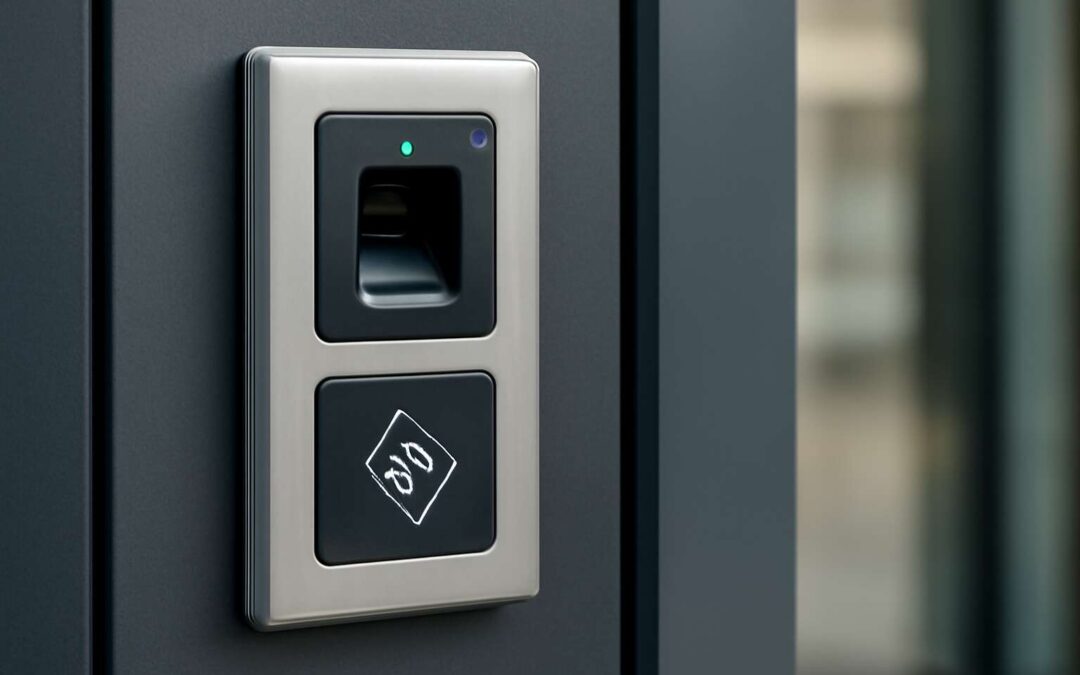
Overview of access control systems
What is an access control system?
In a world where a single idle door can become a liability, doors are guardians, and a security door access system frames the space between possibility and security. A recent statistic shows that over 60% of breaches begin at the entry point; in South Africa’s offices and campuses, this truth lands with particular weight.
- Identity verification
- Credential management
- Access decision and control
- Audit trails and reporting
What is an access control system? It is the architecture that binds identity to permission—the intimate dance of readers, controllers, and door hardware that decides who steps inside and when. The framework marries physical barriers with digital trust, transforming entry points into guarded gateways rather than liabilities.
Key components and hardware
In a world where more than 60% of breaches begin at the entry, South Africa’s offices and campuses feel the sting daily; the security door access system stands as the hinge between risk and restraint. It is the architecture that binds identity to permission, turning corridors from potential liabilities into guarded routes through which truth travels.
Overview of components and hardware comes alive here, with tactile signals meeting digital trust. The core kit includes:
- Readers that trust the card, biometric, or mobile credential
- Controllers that arbitrate door decisions in real time
- Door hardware such as electric strikes and magnetic locks
- Power supplies and network cabling for reliable operation
- Management software or cloud platforms for monitoring and updates
Together, they form the backbone of a robust access network—silent, precise, and unyielding.
Who benefits from access control systems?
More than 60% of breaches begin at the entry, and in Johannesburg’s corridors the door is the first line of defence. A security door access system isn’t merely a barrier; it maps who may pass and when.
Who benefits from such a system? The answer is a constellation of roles that align to protect people, property, and privacy.
- Facilities managers and security teams who gain real-time visibility and audit trails
- HR and IT departments coordinating onboarding, offboarding, and credential management
- Employees, contractors, and visitors who experience smoother, safer access
Across South Africa’s campuses and offices, a well-orchestrated access control ecosystem supports operations from morning bustle to late-night maintenance. The result is a harmony of silent efficiency under a unified security door access system.
Benefits and ROI of access control
More than 60% of breaches begin at the entry, and in South Africa’s corridors that doorway becomes a proving ground for trust. The security door access system does more than lock doors; it choreographs passage, mapping who may pass and when, like a conductor guiding a quiet orchestra of movements. In our campuses and offices, it stands as a steadfast sentinel, turning data into protection and policy into practice.
Benefits and ROI emerge as tangible rhythms:
- Real-time visibility and comprehensive audit trails that illuminate every doorway
- Seamless onboarding, offboarding, and credential management that keep people and systems aligned
- Reduced administrative overhead and savings from fewer mislaid keys or badges
- Improved safety and uptime with predictable operating costs across growing sites
Across South Africa, a well-tuned security door access system scales with an organisation, translating security into steady performance and measurable return. It is the quiet heartbeat of modern facilities, merging privacy with productivity in a single, elegant frame.
Common myths and misconceptions about access control systems
Across South Africa, hallways are not merely routes but sentinels. In a landscape where more than 60% of breaches begin at the entry, the security door access system becomes the quiet chorus of protection—balancing convenience with guardrails. It orchestrates trust without shouting, blending identity verification, policy, and live monitoring into a single, graceful workflow. Think of it as a modern gatekeeper that scales with your campus or office, turning entries into audits and entrances into accountability.
- Myth: It’s only about locks.
- Myth: It’s too expensive for small sites.
- Myth: It runs without ongoing maintenance.
Truth is, with proper configuration and ongoing credential management, such a system becomes a living discipline—quiet, scalable, and surprisingly humane in how it guides people through space.
Types of access control technology
Biometric access systems
In South Africa, a bold stat bites: 78% of security breaches begin at the door, and not the fancy stuff—just the entry point. Biometric access systems stand as the gatekeepers, swapping keys for something you are, which makes a compromised badge feel like ancient history. A modern security door access system blends speed with accountability, ushering in smoother turns for authorized staff and suspicious looks for imposters!
- Fingerprint recognition
- Iris or retinal scans
- Facial recognition
- Vein pattern or hand geometry
Each modality has pros and cons, from speed to vandal resistance and maintenance. Multi-factor setups pair biometrics with a secondary factor to reduce spoofing and maintain a professional edge for workplaces across South Africa.
Smartcard and RFID systems
In South Africa’s busy corridors, 78% of security breaches begin at the door. Smartcard and RFID systems act as gatekeepers, swapping fumbling keys for a badge you carry with ease. They keep pace for staff while slowing intruders, a practical balance for modern offices—and a dependable security door access system. I’ve watched queues thin as badges glide to readers.
Two common flavors work well in SA workplaces: Smartcard-based systems and RFID badges.
- Smartcards: data on a card; readers verify identity fast.
- RFID badges: remote unlocks, less wear, faster queues.
In practice, either option blends with a modern security door access system, delivering controlled access without mechanical keys and a smoother flow for staff.
Mobile access and cloud-based solutions
In SA’s busy corridors, 78% of security breaches begin at the door. A savvy workaround is a modern security door access system that swaps fumbling keys for a badge, or even better, a phone, so the threshold remains a barrier and not a bottleneck.
- Seamless multi-site management
- Remote credential provisioning and revocation
- Real-time event logs and analytics
Mobile access uses smartphones via Bluetooth or NFC, letting you unlock with a tap or a wave as you stroll past the reader. Credentials ride on your device, not your pocket, speeding entry and reducing wear on physical cards.
Cloud-based solutions centralize control, scale across SA offices, and push updates without IT headaches.
Keypad and PIN-based options
Across SA’s modern offices, a security door access system acts like a quiet oath at the threshold. Keypad and PIN-based options offer sturdy, low-friction entry, delivering control without bulky cards. With clear audit trails, these gates become loyal guardians rather than stubborn sentinels.
Keypad and PIN-based options are approachable, economical, and versatile for time-based rosters and shift changes. They can be layered with two-factor prompts or paired with proximity readers for retrofits.
- Backlit numeric keypads for easy after-hours entry
- PIN-based time windows restricting access to specific days or shifts
- Clear event logs of approved and denied attempts for quick audits
These mechanisms suit bustling corridors where keys are easily mislaid and readers must pace with the workflow, keeping the system both transparent and formidable.
Integration and scalability considerations
IT integration and APIs
Integration is the quiet engine behind a truly reliable access system. In South Africa’s dynamic workplaces, IT integration and APIs decide how smoothly doors respond to changing teams and evolving threats. I’ve seen a thoughtful integration approach stitch disparate systems into a single security fabric, trimming admin time and strengthening audits. When the API layer is clear and well documented, it becomes possible—through careful testing and iteration—to tailor workflows without compromising safety—an essential trait for a security door access system.
Key considerations include:
- Open standards and RESTful APIs to ensure interoperability.
- Scalable architecture that grows with site needs and staff changes.
- Secure data handling, with role-based access and robust audit logs.
Scalability for multi-site facilities
In South Africa’s offices, a security door access system is the quiet engine that keeps teams coordinated and doors responsive as factions of staff rearrange themselves like a well-timed stage play.
Integration and scalability are not flashy; they are the glue that makes multi-site facilities behave like a single, well-mannered organism. When the IT layer is thoughtful, disparate locations breathe as one, trimming admin burdens and sharpening audits.
- Open standards and RESTful APIs to ensure interoperability
- Scalable architecture that grows with site needs and staff changes
- Secure data handling with role-based access and robust audit logs
As sites grow, plan how the architecture expands across campuses, warehouses, and offices, keeping governance intact even as teams blur the lines between on-site and remote work.
Data security and privacy considerations
Powering harmony across campuses, a security door access system must weave sites into one trusted network—like a choir that actually hits the right notes. When integration is thoughtful and open, doors respond without slowing teams, even as staff shuffle between offices, campuses, and warehouses across South Africa.
Data security and privacy aren’t afterthoughts; they’re the conductor. Think encryption in transit and at rest, data residency that keeps information on SA soil, and clear, auditable trails that survive internal audits and POPIA checks. It’s governance with a glow-up for the frontline.
Here’s what to watch for:
- Data encryption in transit and at rest to curb eavesdropping and leakage
- Data residency strategies favoring SA data centers to satisfy POPIA
- Regular access reviews with automated alerts to catch drift early
Compliance and standards
Integration is the lifeblood of a security door access system; it must sing with HR, facilities, and IT without missing a beat. When campuses in South Africa share policy and identity data, doors open with precision, not hesitation, threading people and places into one trusted network.
For scalability, it’s not an afterthought—it’s the architecture. A modern system grows with your sites, balancing centralized control with local autonomy. It’s a quiet, steady test of responsibility: modular controllers, resilient offline mode, and future-proof firmware so a single expansion doesn’t rewrite your operations.
Compliance and standards anchor every decision. Align with POPIA and ISO 27001, respect local data residency expectations, and maintain auditable trails that survive internal reviews. The result is not merely security but a reputation for reliability in the field.
Migration and upgrade paths
Door security is where strategy meets reality. In South Africa, breaches often begin at the entrance, underscoring that a door access system must perform when it matters. Integration with HR, facilities, and IT turns entry points from weak links into well-latched gateways.
Scalability is architecture, not afterthought. Plan modular controllers, resilient offline modes, and firmware designed for future expansions. A security door access system that scales across campuses maintains central control while granting local autonomy, ensuring doors open with precision as sites grow.
- Migration-friendly architecture that supports both on-site and cloud management
- Hybrid control models balancing centralized policy with local autonomy
- Future-proof upgrade paths for firmware, readers, and credentials
Security features and best practices
Audit trails and reporting
In South Africa’s bustling offices, 57% of breaches hinge on compromised credentials. A well-designed security door access system blends sturdy hardware with smart software that respects usability in our vibrant workplaces.
Key features include tamper detection, encrypted credential transmission, anti-tailgating, and real-time alerts.
- Real-time audit trails of every entry attempt
- Role-based access control and timely credential reviews
- Encrypted data transmission and tamper alarms
- Regular firmware updates and retention-ready reporting
Audit trails and reporting turn events into governance: who entered, when, and from where; they illuminate investigations and compliance across sites. With such visibility, a security door access system becomes not just a guard but a storyteller of safety.
Access level management and RBAC
In South Africa’s bustling offices, 57% of breaches hinge on compromised credentials. A well-tuned security door access system does more than bar the entry; it shapes who can enter, when, and why. Thoughtful access level management merges clear roles with practical safeguards, turning fragile trust into resilient routines that keep teams productive and safe.
- Clear definitions of roles and responsibilities
- Least-privilege principle applied across the board
- Regular access reviews scheduled
- Time-based and location-aware rights enabled
- Formal approvals for elevated access implemented
RBAC doesn’t just assign permissions—it aligns them with workflows and audits, reducing drift and elevating accountability. When roles reflect real job functions, contractors and permanent staff share a common security language, and anomalies become obvious.
Liveness checks and anti-spoofing
In bustling South African offices, every door is a line of defense—and the right checks can save more than minutes. Liveness checks and anti-spoofing technologies add a human layer of certainty, preventing fake credentials from bypassing entry points.
A robust security door access system raises the bar from entry control to ongoing verification.
- Liveness checks verify vitality and response times, not just possession of a card or badge.
- Anti-spoofing sensors combine multi-factor signals—biometrics, depth sensing, and texture analysis—to thwart mask, photo, or replica attempts.
- Secure enrollment and regular credential revalidation ensure evolving threats don’t erode trust.
When these features are stitched into day-to-day operations, security becomes a routine rhythm—no drama, just protection.
Emergency lockdown protocols
In South Africa’s buzzing offices, a faltering door can ripple through operations. A recent security survey found that up to 60% of incidents begin at entry points. A robust security door access system acts as a patient sentinel—granting legitimate access while fending off shadows. It blends reliable hardware with intelligent monitoring, turning doors from mere gates into proactive guardians against intrusion and tampering.
- Redundant power and fail-safe configurations to withstand outages.
- Tamper-detecting hardware and door-position sensors that trigger alerts.
- Encrypted communications to a central security hub for real-time visibility.
- Auditable events and clear lockdown signaling that preserve accountability.
Emergency lockdown protocols emphasize rapid, calm responses, distinct communications, and orderly containment—without tipping into chaos. The right system supports those instincts with resilience, privacy-smart analytics, and auditable trails that stay steady under pressure.
Maintenance, updates, and lifecycle management
Maintenance, updates, and lifecycle management keep a security door access system resilient as new threats evolve. In South Africa’s buzzing offices, hardware ages and software requires regular attention to stay trustworthy and compliant. A proactive approach means predictable firmware updates, documented change control, and aligned IT support so doors remain responsive rather than brittle barriers.
Key maintenance focuses include the following categories:
- Predictable firmware and safety updates
- Power redundancy and sensor lifecycle checks
- Spare parts planning and component replacement
- End-of-life and decommission strategies
With proper lifecycle management, organizations extend uptime, preserve privacy, and maintain auditable trails that reassure stakeholders long after the initial installation.
Choosing a door access control system provider
Vendor evaluation criteria
A veteran security consultant likes to say: ‘Security is a story told by who holds the keys.’ Choosing a door access system provider is the first chapter—one that determines uptime, response times, and peace of mind. For a South African context, pick a partner who understands local support realities and regulatory nuances.
Vendor evaluation criteria should hinge on a few pillars.
- Local support and service coverage in South Africa
- Clear SLAs and predictable maintenance windows
- Interoperability with existing IT and building systems via open APIs
- POPIA compliance and robust data protection
When evaluating your security door access system partner, press for references, verifiable uptime, and a migration path that avoids lock-in. A credible vendor will reveal their security posture, incident response playbook, and transparent pricing, so you can move forward with confidence while keeping the doors guarded.
Total cost of ownership and budgeting
Choosing a partner for a security door access system isn’t only about securing entries today; it’s about the ledger of tomorrow. In South Africa, where outages and service gaps can bite, total cost of ownership matters more than upfront price.
Factor in these recurring costs:
- Initial hardware and installation
- Software licenses and renewals
- Maintenance, support, and service windows
- Downtime risk, energy use, and upgrades
Budgeting should account for inflation, regulatory shifts, and training for staff. Seek transparent, predictable pricing and a migration path that avoids lock-in, so the system stays flexible and resilient as your needs evolve.
Support, warranties, and service levels
In South Africa’s outage-prone landscape, uptime is not negotiable. A single missed unlock window can ripple into days of lost productivity. For a security door access system, the provider’s support, warranties, and service levels are as critical as the hardware.
- Local, responsive support teams with defined response times
- Clear warranty terms and coverage periods for hardware and licenses
- Service level agreements outlining uptime, maintenance windows, and escalation
- Remote diagnostics and proactive health checks to catch issues before they impact access
- Comprehensive onboarding, training, and user support to minimize human error
Choose a partner who blends reliability with humanity—transparent pricing, predictable renewals, and a humane approach to upgrades ensure your facility breathes easy as needs evolve.
Case studies and proven results
When a single missed unlock window costs productivity, choosing the right door access partner is an act of risk management and human trust. In South Africa, a mid-size campus reduced unauthorized entries by 38% within three months after implementing a security door access system—proof that proven results sit at the intersection of technology and service.
Case studies illuminate practical gains. Look for a provider with measurable uptime, rapid response, and transparent pricing that fits real-world use.
- Multi-site deployments with demonstrable uptime improvements
- Mean time to repair (MTTR) under a few hours in critical events
- High user adoption and training success, with low administrative overhead
In real deployments—whether retail, corporate, or healthcare—the right door access system delivers smoother operations, auditable trails, and peace of mind. The partner you choose should blend reliability with humanity—clear renewals, accessible support, and upgrades that feel inevitable rather than intrusive.
