
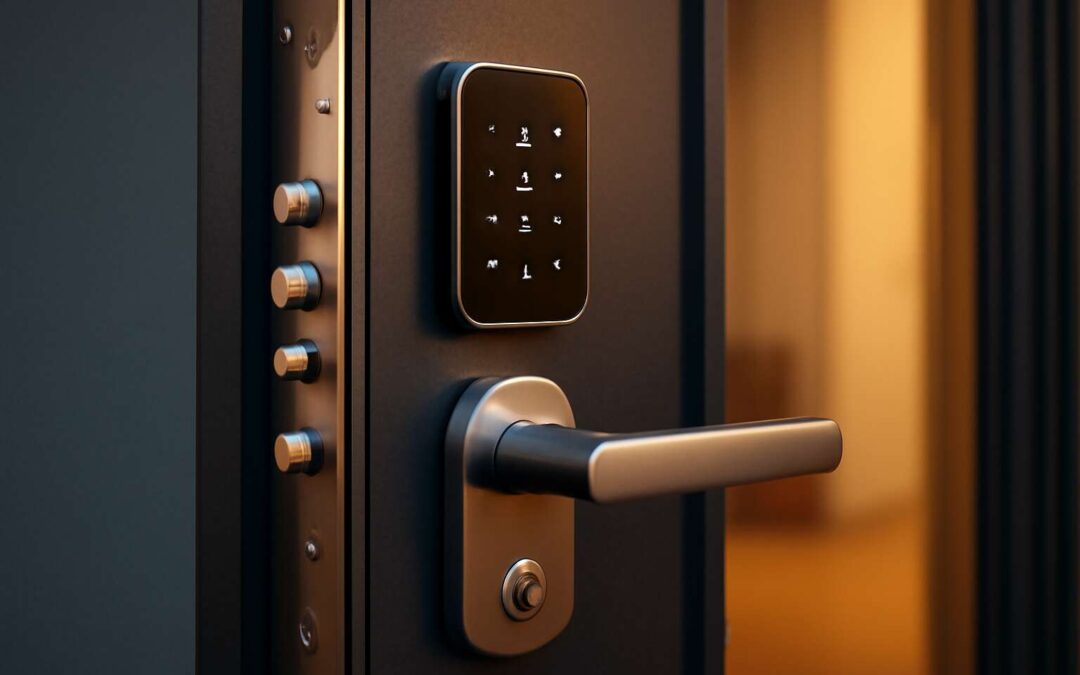
Home Security Doors: A Practical SEO Outline
Overview of door types for home security
In South Africa, break-ins often hinge on the smallest chink in a home’s armor. A thoughtfully chosen door can quiet the night, while the mind lingers on steel, seals, and secure joints. It’s not just metal; it’s a psychological anchor that makes safety tangible.
Homeowners seek door types for home security with both pragmatism and curiosity. A security door home balances deterrence with daily use—an alloy of material science and craft. From steel-core constructs to reinforced frames and laminated skins, these options shape how we move through space.
- Steel-core doors with multi-point locking
- Reinforced frames and laminated skins
- Fiberglass or composite doors with impact resistance
Durability aside, design matters: color, texture, and the way a door feels when opened convey a quiet story of protection. The best configurations blend form with function, offering shelter without stiffness, and reassurance that welcome remains carefully guarded.
Essential security features and ratings
In South Africa, 63% of break-ins begin at the doorway, turning a threshold into a litmus test of security. A security door home becomes more than metal; it’s a quiet sentinel—an anchor that steadies the night and invites calm, even as the street hums with uncertainty.
Essential security features and ratings guide the discerning buyer. Seek independent testing, certified labels, robust frame anchorage, and hardware designed to resist tampering. High standards translate into a door that behaves predictably under stress, with predictable exits in daily use and a spine that stays aligned despite weather and time.
- Independent testing and certification labels
- Tamper-resistant hardware and reinforced anchorage
- Impact-resistant skins and precise door alignment
Together, these elements fuse form with function, making the security door home a posture of welcome guarded by careful design.
Installation considerations by home type
In South Africa, 63% of break-ins begin at the doorway, turning a threshold into a litmus test of security. A security door home should feel less like a barrier and more like a quiet sentinel, a trusted presence that steadies the night. The choices go beyond aesthetics; installation considerations shape how the door behaves under stress and keeps daily living smooth.
Installation varies by home type, balancing access, airflow, and anchorage.
- Standalone houses: robust masonry anchorage, reinforced frames, and exterior finishes that resist corrosion.
- Apartments and flat complexes: space-efficient designs, flush thresholds, and compatible locking hardware to meet building standards.
- Townhouses and duplexes: shared-entrance considerations, weather-stripping, and staggered openings for safe egress.
For a security door home, choose careful alignment and durable hardware to endure years of use.
Maintenance, warranty, and cost considerations
In South Africa, 63% of break-ins begin at the doorway, turning a threshold into a litmus test of security. A security door home is more than a barrier; it’s a quiet sentinel that steadies the night. Maintenance, warranty, and cost considerations shape protection.
Maintenance and durability matter. Finishes, corrosion resistance, and resilient hardware influence how a door behaves under stress and years of daily use. It’s the unseen stamina that keeps a home secure.
Warranty terms should be clear about coverage for frame, leaf, and locking hardware, with predictable service expectations and genuine replacement parts. A robust warranty is a tangible promise that the security door home will perform beyond the early seasons.
Cost considerations balance upfront price with lifecycle value. In SA, material options—steel, aluminium, or composite—shape both price and maintenance needs. The security door home becomes an investment that can influence insurance terms and resale appeal.
