
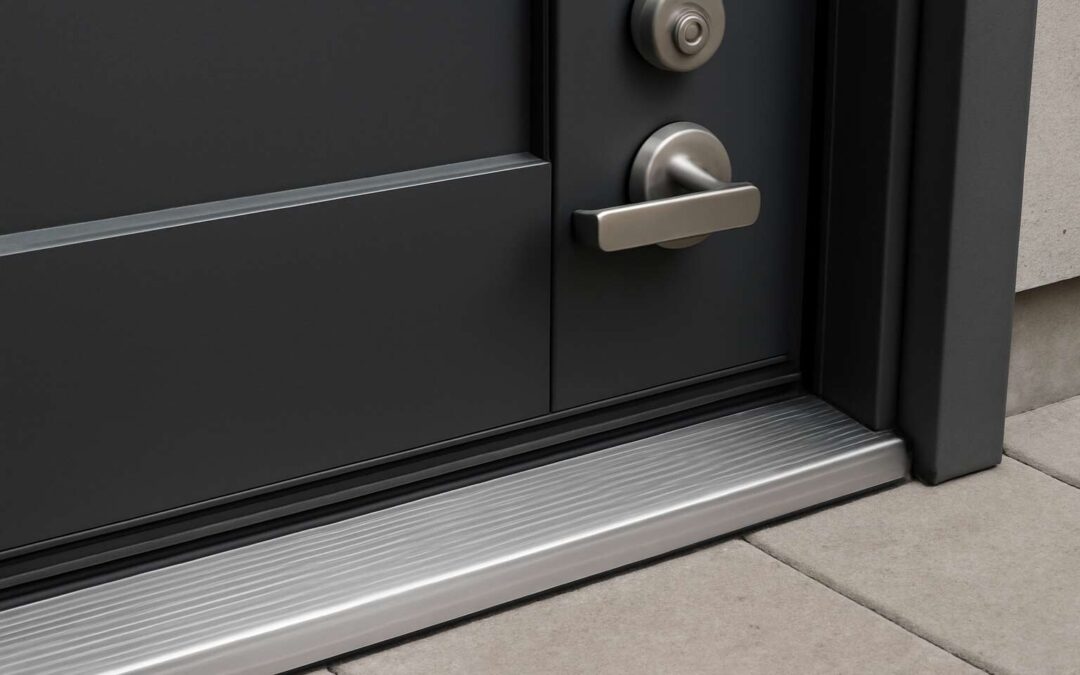
Understanding and Implementing Secure Door Thresholds
Understanding Threshold Security Basics
There is no door without a threshold; it is the quiet sentinel that decides who steps into the room of a house and who lingers in shadow. “The threshold is a promise,” murmured the old craftsman, and the security door threshold must keep that promise intact. In South Africa’s varied climates, it must endure heat, rain, and the occasional storm of intrusion.
Understanding Threshold Security Basics means reading the space where floor meets frame as a single, layered guardian. I measure the line where floor and frame meet as if listening for a heartbeat and look for durable materials, precise fit, and integrated seals that block drafts while resisting tamper. A robust security door threshold balances weatherproofing with accessibility, preserving line of sight and the sense that the door never fights the floor as it opens and closes.
- Solid anchorage to the substrate for long-term stability
- Efficient weather seals that deter drafts and moisture
- Tamper-resistant hardware and low-profile profiles for visual continuity
When the threshold sits true, a room feels lit by quiet protection, as if the night itself has learned to respect the doorway.
Materials and Design Options for Thresholds
The security door threshold is the unsuspecting MVP of home protection—unseen, unglamorous, endlessly reliable. In South Africa’s climate swings, it must whisper rain away, shrug off sun, and keep intruders guessing where the floor ends and the door begins.
Materials and design options should work in concert: robust anchorage, weather seals, and a slim profile that preserves sight lines. A worthy security door threshold combines strength with accessibility.
Materials and design options include the following:
- Steel-reinforced thresholds for anchorage and tamper resistance
- Corrosion-resistant aluminium with integrated seals
- Durable composites that shrug off moisture and temperature swings
- Low-profile profiles that preserve sightlines and reduce trip hazards
Pairing these with precise fit and compatible seals yields a door that feels secure yet welcoming, a true guardian at the edge of your living space.
Installation and Retrofit Considerations
The threshold stands as the home’s quiet sentinel, a line between interior shelter and the world outside. A security door threshold, when installed with patient precision, shelters rain, dust, and dusk from crossing the doorstep. In South Africa’s capricious climate, it must shed moisture, resist the sun’s glare, and keep intruders guessing where the floor ends and the door begins.
Understanding installation and retrofit considerations means honoring the floor, the frame, and the seal. Precision measurements, compatible undercut, and solid anchorage shape a threshold that endures wind and footsteps without betraying the doorway’s grace. Retrofitting old doors calls for bridging gaps and aligning weather seals so the sightline remains unbroken.
When professionals marry robust materials with exact fit, the threshold becomes a gate that feels both impregnable and inviting, a paradox that keeps the living space secure without becoming a fortress.
Enhancements, Accessories, and Maintenance
On every doorstep, weather and welcome share a boundary—and the security door threshold is where they meet. A veteran installer says, “The boundary between inside comfort and outside risk is written in the sill.” In South Africa’s capricious climate, that boundary must shed moisture, resist glare, and keep intruders guessing where the floor ends and the door begins.
Beyond basic fit, enhancements and accessories transform a threshold into a proactive guardian. Think cantilevered sills with integrated weather seals, weep channels, reinforced undercut, and corrosion-resistant fasteners that endure coastal air and inland heat. Accessories like drip caps, sweep profiles, and adjustable thresholds offer a tailored seal without compromising sightline.
Maintenance is the quiet upkeep that keeps all this intact. In SA’s sun and sudden downpours, inspect seals, monitor moisture, and schedule periodic professional checks to keep components robust and true.
