
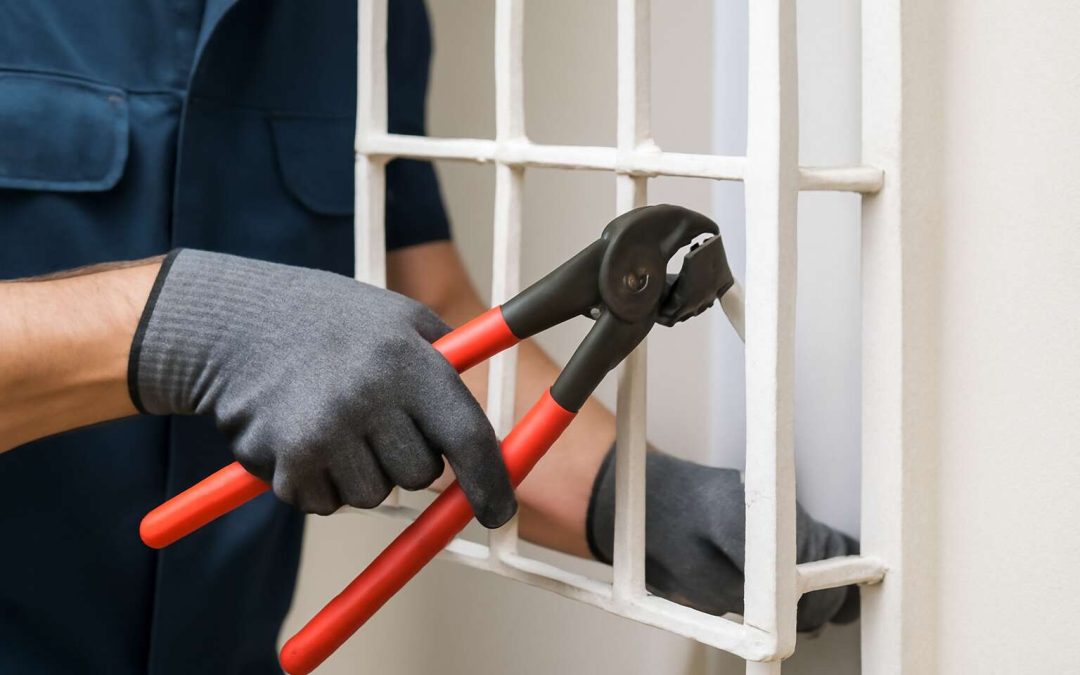
Understanding Burglar Bars and Their Removal
Types of Burglar Bars – Different styles and materials of burglar bars
In the shadowed corners of security and necessity, burglar bars stand as silent sentinels—fortresses forged from iron and steel, their presence both reassuring and imposing. Yet, in moments when access is imperative—be it for maintenance, renovation, or emergency—they can transform from guardians to barriers, demanding a precise and careful approach to removal. Understanding the intricacies of burglar bars reveals a spectrum of styles and materials, each with its own story etched in metal and design.
From the wrought iron lattices that weave a web of protection to the sturdy aluminum grids that shimmer with modern resilience, burglar bars come in varied forms. Some are bolted with heavy-duty steel brackets, while others are welded into place with meticulous craftsmanship. The choice of material—be it wrought iron, steel, or aluminum—dictates the tool to remove burglar bars and influences the complexity of their removal. Whether they are anchored by bolts, screws, or welded seamlessly into the frame, each style demands a tailored technique for safe and effective removal.
- Steel burglar bars, renowned for their strength, often require heavy-duty tools like bolt cutters or angle grinders.
- Aluminum variants, lighter but equally resilient, can be handled with reciprocating saws equipped with the appropriate blades.
- Welded burglar bars, the most challenging of all, necessitate specialized cutting tools and a steady hand—making the right tool to remove burglar bars essential for a smooth process.
Potential Reasons for Removal – Security upgrades, property renovations, or damage
In the realm of security, burglar bars serve as silent guardians, cloaked in strength and resilience. Yet, circumstances often shift—property renovations, security upgrades, or unforeseen damage demand their removal. The process is a delicate dance, requiring more than brute force; it calls for the right tool to remove burglar bars, tailored to their style and construction. Without the proper equipment, what begins as a straightforward task can swiftly turn hazardous or damaging.
Understanding the intricacies of burglar bars reveals that each style—whether welded, bolted, or clamped—requires a unique approach. For instance, steel burglar bars demand heavy-duty tools like bolt cutters or angle grinders, while aluminum variants may be more approachable with reciprocating saws fitted with specific blades. Welded burglar bars, the most formidable, often necessitate specialized cutting tools and a steady hand—an art form in itself. Choosing the right tool to remove burglar bars is essential for a safe, efficient, and damage-free process, especially when every second counts in emergency situations.
When considering removal, it’s vital to recognize the potential reasons behind the task. Whether upgrading security measures, undertaking property renovations, or repairing damage, the purpose shapes the approach. An effective tool to remove burglar bars transforms what could be a laborious ordeal into a manageable project, ensuring safety and precision in every cut and lift. After all, behind each bar lies a story of protection—now, it’s time to gently let go and move forward.
Essential Tools for Removing Burglar Bars
Basic Hand Tools – Hammer, screwdrivers, pliers, crowbar
When it comes to the delicate art of removing burglar bars, possessing the right arsenal of basic hand tools is paramount. These tools serve as both the surgeon’s scalpel and the builder’s chisel—meticulous yet powerful, enabling a controlled dismantling process that minimizes damage and maximizes safety. A sturdy hammer, for instance, can gently dislodge stubborn fixtures, while screwdrivers come into play for loosening bolts with precision. Pliers are indispensable for gripping and twisting, especially when dealing with tightly secured components.
In many cases, a crowbar becomes the tool to remove burglar bars, providing leverage that transforms effort into efficacy. Its length and strength allow you to pry apart the toughest of fixtures—an essential element in your toolkit. For a smoother operation, consider assembling a combination of these basic hand tools, ensuring each has a specific purpose and is in optimal condition. Carefully selecting the right tools not only expedites the removal process but also preserves the structural integrity of the property, making the task less invasive and more controlled.
- Hammer – for gentle tapping and dislodging
- Screwdrivers – for unscrewing fasteners
- Pliers – for gripping and twisting
- Crowbar – for leverage and prying
Remember, the right tool to remove burglar bars is not just about power—it’s about precision and respect for the property. When wielded correctly, these basic hand tools can transform a daunting task into a manageable project, all while maintaining safety and efficiency.
Power Tools – Reciprocating saw, angle grinder, rotary tool
When it comes to the intricate dance of removing burglar bars, power tools emerge as the silent maestros of efficiency and precision. In the arsenal of a seasoned renovator or security specialist, the tool to remove burglar bars often includes the fierce versatility of a reciprocating saw. With its oscillating blade, it slices through metal with a tireless whisper, reducing even the most stubborn fixtures to manageable fragments.
The angle grinder, a true titan of transformation, unleashes a shower of sparks as it grinds away rivets or bolts, dissolving barriers that once seemed immovable. Meanwhile, the rotary tool, compact yet mighty, offers a finesse that complements brute strength—perfect for delicate cuts in tight corners or intricate detailing.
For those seeking a swift and definitive removal, these power tools, wielded with expertise, make the process less invasive and more controlled. The tool to remove burglar bars isn’t merely about brute force; it’s about harnessing precision to ensure safety without unnecessary destruction.
Specialized Tools – Bolt cutters, pry bars designed for window bars
When it comes to the task of removing burglar bars, having the right set of specialized tools can turn a daunting chore into a manageable mission. While power tools are the heavy hitters, nothing beats the precision and leverage offered by classic hand tools—especially when delicate maneuvering is required.
Bolt cutters, for example, are the go-to for swiftly snapping through thick metal bars—think of them as the superheroes of the toolkit. Pry bars, on the other hand, excel at prying apart stubborn fixtures or loosening rivets with a satisfying *pop*. For those tight spots or intricate detailing, a dedicated window bar pry tool provides the finesse needed to avoid unnecessary damage.
A well-stocked arsenal might include a combination of these
- bolt cutters
- pry bars
- handheld hacksaw
, each serving a unique purpose in the quest to remove burglar bars efficiently. With the right tools, the process becomes less invasive, more controlled, and—dare we say—almost satisfying. Because sometimes, the best tool to remove burglar bars is not just about brute force, but about clever leverage and finesse.
Safety Equipment – Protective gloves, goggles, masks
Safety should never be compromised when handling a tool to remove burglar bars. Protective equipment is essential to prevent injuries from sharp edges, flying debris, or accidental slips. A sturdy pair of gloves shields your hands, while goggles protect your eyes from sparks or metal fragments. Masks add an extra layer of safety, especially when working in enclosed spaces or with power tools that generate dust and fumes.
Investing in the right safety gear isn’t just about compliance—it’s about making the task safer and more efficient. Remember, even the most seasoned professionals don’t skip safety when removing burglar bars. Proper protective equipment turns a potentially hazardous job into a manageable one, giving you peace of mind and focus.
Step-by-Step Guide to Removing Burglar Bars
Preparation – Assess the installation, gather tools, ensure safety
Removing burglar bars is not a task to be undertaken lightly; it requires careful preparation and respect for safety. Before diving into the process, take a moment to assess the installation—understanding the type of burglar bars and how they were secured can make all the difference. A thorough inspection will reveal whether the bars are bolted, welded, or affixed with screws, guiding your choice of the appropriate tool to remove burglar bars effectively.
Gathering the right tools ahead of time ensures a smoother operation. Basic hand tools like screwdrivers, pliers, and a crowbar are often sufficient for simpler installations, while power tools such as a reciprocating saw or angle grinder may be necessary for more robust fixtures. Remember, safety is paramount—equip yourself with protective gloves, goggles, and a mask to shield against sparks, debris, and sharp edges.
To streamline the removal process, consider following a step-by-step approach:
- Clear the area around the burglar bars to prevent accidents.
- Identify the fastening method and select the most appropriate tool to remove burglar bars.
- Carefully detach fasteners, working methodically from one end to the other.
- If the bars are welded or cemented, specialized tools like bolt cutters or an angle grinder will be essential for a clean removal.
Patience and attention to detail are your best allies when tackling this project, transforming a potentially daunting task into a manageable, even satisfying, endeavor. Whether upgrading security or preparing for renovations, understanding the intricacies of the tool to remove burglar bars ensures safety and success every step of the way.
Removing Screws and Fasteners – Loosening and extracting mounting hardware
Removing burglar bars requires more than just brute strength; it demands a precise approach with the right tool to remove burglar bars. Once you’ve identified the fastening method, the process of loosening and extracting the mounting hardware becomes a delicate dance of patience and skill. Often, these bars are secured with screws, bolts, or welds—each calling for specific tools and techniques.
Start by carefully loosening the screws or bolts using a suitable screwdriver or socket wrench. If the fasteners are stubborn, a penetrating oil can soften rust and debris that may have bonded them over the years. For welded fixtures, a reciprocating saw or angle grinder equipped with a cutting disc provides a clean, efficient way to free the bars without damaging the surrounding structure. Remember, safety gear like gloves and goggles is essential—safety isn’t optional when working with power tools or sharp fasteners.
Once the fasteners are removed, gently work the burglar bars free from their mountings, working from one end to the other. This step-by-step process not only ensures a safer removal but also preserves the integrity of the property if future installations are considered. With the right tool to remove burglar bars and a steady hand, what once seemed daunting transforms into a manageable task, leaving you with a sense of accomplishment and a safer, more accessible space.
Cutting Through Bars – Proper technique using power tools
In the shadowed corridors of security and renovation, the right tool to remove burglar bars becomes a key to unlocking both physical barriers and hidden stories. When the time comes to dismantle these iron guardians, knowing how to cut through bars with precision transforms a daunting task into a calculated ritual. Power tools, wielded with purpose, are the dark artisans of this craft—cutting through steel with a whisper of sparks and a symphony of controlled force.
For the untrained eye, these bars might appear impenetrable, yet with the proper technique, they surrender quietly. Using a reciprocating saw or angle grinder, you can carve your way through the steel, but only if you respect the subtle dance of control and safety. Always ensure safety equipment is in place—gloves, goggles, and masks are your armor against flying debris and unforeseen sparks. The process is almost poetic: a steady hand guiding the blade, a calculated rhythm that erodes the metal without damaging the underlying structure.
- Assess the installation carefully—note the fastening points and material thickness.
- Secure the burglar bars firmly before making your cut to prevent any dangerous shifts.
- Introduce penetrating oil if the bars are rusted or stubborn, easing the blade’s passage through hardened steel.
Once the bars are severed, the final step involves gently coaxing the remnants free, working from one end to the other. This methodical approach not only preserves the integrity of the property but also ensures that the removal process remains controlled and safe. When wielded with the right tool to remove burglar bars, even the most formidable barriers begin to yield, revealing a space ready for renewal or secure reinstallation—each cut a chapter in the silent story of transformation.
Detaching the Bars – Safely removing the bars after cutting
Removing burglar bars safely requires a delicate balance of technique and respect for the structural integrity of the property. Once you’ve cut through the bars with a reliable tool to remove burglar bars, the next critical step is detachment—carving out each section without causing damage or injury.
Begin by carefully inspecting the installation to identify all fasteners and mounting points. Using a drill or screwdriver, loosen and remove these fasteners systematically. This ensures that the bars are securely detached, preventing any sudden shifts that could pose safety risks.
When it’s time to free the bars, grasp the ends gently with pliers or a pry bar, working from the top down. Patience is essential; forcing the bars can lead to unintended damage or injury. For particularly stubborn sections, introducing penetrating oil can ease dislodgment, making the removal process smoother and safer.
Throughout, wearing protective gloves and goggles is non-negotiable—these safeguard against sharp edges and flying debris. The process may seem straightforward, but precision and caution transform a potentially hazardous task into a controlled, almost meditative act of renewal.
Cleaning Up – Disposal of materials and ensuring window frame integrity
Removing burglar bars isn’t just about prying them off like a stubborn jar lid; it’s a careful dance of precision and safety. After the cutting phase, the next step is to clean up the scene—disposal of materials and ensuring that your window frame remains unscathed. This part often gets overlooked, but it’s crucial for maintaining the integrity of your property and avoiding future headaches.
Start by collecting all the cut metal and debris, ideally using a sturdy toolbox or a designated container. A quick sweep or vacuum can also help clear away tiny shards—trust me, tiny shards have a knack for turning into a prickly, irritating nuisance. For disposal, check local regulations—some areas prefer scrap metal recycling, which is eco-friendly and puts a little cash back in your pocket.
Now, inspecting the window frame is key. Look for any residual damage or loosened sections. If necessary, use a gentle brush or cloth to wipe away dirt and debris that could interfere with future installation or aesthetic appeal. Remember: a clean workspace makes the next phase smoother, especially if you’re planning to install new security features. As you tidy up, keep these essentials in mind:
- Use gloves to handle sharp debris safely
- Check for any structural compromises in the window frame
- Dispose of metal scraps responsibly—recycling is king here
Finally, give the window a thorough visual inspection. If any damage is apparent, consider calling in a professional to assess whether repairs are needed before installing a new tool to remove burglar bars or upgrading your security measures. Clean, safe, and ready for the next chapter—that’s how you turn a messy removal into a masterclass in property maintenance.
Safety Tips and Precautions
Wear Protective Gear – Why safety equipment is essential
When embarking on the delicate task of removing burglar bars, safety should always be your foremost priority. The process involves sharp tools, powerful cutting devices, and the potential for unexpected hazards. Wearing protective gear isn’t just a recommendation—it’s an absolute necessity. A sturdy pair of protective gloves shields your hands from splinters and sharp edges, while safety goggles guard your eyes against flying debris. Masks help prevent inhalation of dust particles and fumes that may be released during cutting or grinding.
Using the right safety equipment transforms a risky operation into a controlled, efficient task. It’s easy to become complacent, but a moment’s oversight can lead to injury. Remember, even the most skilled DIY enthusiast can underestimate the force of a power tool or the resilience of a stubborn metal bar. Safety gear acts as your armor against these unforeseen hazards, ensuring your project proceeds smoothly and without incident.
Investing in quality protective equipment is an essential step before you begin using your tool to remove burglar bars. After all, safeguarding your well-being is the cornerstone of any successful renovation or security upgrade. Stay vigilant, stay protected, and let safety be your guiding principle in every cut and pry.
Work in Adequate Lighting – Ensure visibility during removal
When wielding a tool to remove burglar bars, clarity of vision is paramount—preferably, in a well-lit space that leaves no shadows for mishap. Adequate lighting transforms a potentially hazardous endeavor into an almost ceremonial act of precision. Dim areas tempt the unwary into accidents, and let’s face it, a slip-up with a power tool is no trivial matter. Proper illumination ensures you can see every screw, every jagged edge, and every stubborn bolt, providing the control needed to execute the task flawlessly.
In the dance of demolition, safety precautions are your best dance partner. Ensure your workspace is free of clutter that could trip you or obscure your view. Remember, a well-lit environment is your first line of defense against mishaps, making sure each cut and pry is deliberate and safe. It’s a small investment in lighting but a giant leap in safety—because when it comes to removing burglar bars, visibility isn’t just handy; it’s essential.
Handling Power Tools Safely – Proper use and avoiding accidents
In the dim hush of a quiet evening, the glow of a single lamp becomes your ally—guiding your hand as you wield the essential tool to remove burglar bars. Safety is no mere afterthought but the very foundation upon which this delicate task rests. Power tools, like reciprocating saws and angle grinders, demand respect and precision, for they are instruments of transformation, not recklessness. An unguarded slip can turn a routine removal into a perilous dance with disaster. Always ensure you wear protective gear—goggles, gloves, and masks—because safety equipment is your shield against flying debris and unforeseen mishaps.
To handle power tools safely during burglar bar removal, maintain a steady stance and keep your workspace clutter-free. Remember, a clear environment is a sanctuary of control. When using your tool to remove burglar bars, work slowly and deliberately, checking every cut and pry. For added security, follow an ordered process: loosen screws first, then carefully cut through the bars, and finally detach them with caution. These steps aren’t just routine—they are the choreography of a safe and efficient removal. The goal is to avoid accidents, protect your property, and execute each movement with the grace of a seasoned artisan.
Legal Considerations – Verify property rights before removal
In the shadowed corners of property renovation, the importance of understanding legal considerations cannot be overstated. Before wielding a tool to remove burglar bars, it is crucial to verify property rights—unauthorized removal could lead to dire consequences. In South Africa, the law guards the sanctity of ownership fiercely, and stepping beyond those boundaries risks more than just legal penalties. Ensuring you have the rightful authority not only preserves your integrity but also shields you from potential disputes.
Safety is the silent sentinel guiding every step of this delicate process. When handling a tool to remove burglar bars, be vigilant about your surroundings and the integrity of the structure. An unpermitted removal might compromise security, but careless use of power tools—like reciprocating saws or angle grinders—can invite accidents. Always wear protective gear, including goggles, gloves, and masks, for they are your armor against flying debris and unforeseen hazards.
Remember, the act of removing burglar bars is not merely mechanical; it is a dance of precision and respect for the property. Proceed with caution, and never underestimate the silent power of proper legal and safety measures. In this dark art of removal, knowledge and respect are your greatest allies, ensuring that every cut is executed with purpose and prudence.
Choosing the Right Tool for Your Burglary Bar Type
For Metal Bars – Reciprocating saw, angle grinder
When it comes to choosing the right tool to remove burglar bars, especially metal ones, not all power tools are created equal. Imagine trying to cut through a steel grille with a butter knife—pointless, right? For sturdy metal bars, a reciprocating saw becomes your best friend. Its oscillating blade slices through metal like a hot knife through butter, making quick work of even the most stubborn burglar bars.
But wait, there’s more! An angle grinder, fitted with a cutting disc, can make swift, clean cuts through thicker steel, perfect for those heavily fortified security bars. Both tools require a steady hand and safety gear—think goggles, gloves, and a dust mask—because sparks and debris are part of the package. Remember, the key to a successful removal is selecting the right tool to remove burglar bars based on their thickness and material, ensuring the job is both safe and efficient.
For Wooden or PVC Bars – Pliers, saws, or pry bars
Choosing the right tool to remove burglar bars depends heavily on the material and construction. Wooden or PVC bars are far less intimidating than steel, but they still require careful handling. Pliers and saws are your go-to options for these lighter materials. Prying with a pair of sturdy pliers can often loosen fasteners, especially if they’re exposed or damaged. For more stubborn sections, a handsaw or a fine-toothed hacksaw can cut through wood or PVC with precision.
If you encounter nails or embedded fasteners, a pry bar adds leverage to lift and detach the bars without damaging the surrounding area. For those delicate jobs, using a combination of these tools ensures a smooth removal process. Remember, safety remains paramount—wear gloves and eye protection to avoid splinters or debris. When selecting a tool to remove burglar bars, always consider the strength and material of the bar to ensure effective and safe removal.
For Bolted or Welded Installations – Bolt cutters, cutting discs
When confronting the formidable challenge of removing burglar bars secured with bolts or welds, selecting the right tool becomes a matter of both precision and moral clarity. Bolted or welded installations are designed to withstand brute force, demanding a deliberate approach that respects the integrity of the structure while allowing for effective removal. In this context, the tool to remove burglar bars must be robust, reliable, and tailored to the specific fastening method.
For bars secured with heavy-duty bolts, bolt cutters are often the go-to solution. These powerful tools can shear through metal with minimal effort, but they require careful handling to avoid damage to surrounding areas. When bars are welded, a different approach is necessary—power tools like an angle grinder fitted with a cutting disc can effectively slice through the welds, rendering the bars removable. It’s essential to work methodically and wear appropriate safety gear, including goggles and gloves, to prevent injury from sparks and metal shards.
In some cases, the most effective tool to remove burglar bars involves a combination of methods. For example, beginning with bolt cutters to tackle exposed fasteners, then progressing to an angle grinder for welded sections. This layered approach ensures a safer, more controlled removal process. Remember, the key lies in understanding the installation—whether bolted or welded—and matching your tools accordingly.
Alternatives to DIY Removal
Professional Removal Services – When to contact experts
When considering the removal of burglar bars, many homeowners face a pivotal decision: should they attempt a DIY approach or call in the professionals? While the allure of saving money might tempt some to embark on a DIY project, the reality can often be more complex and hazardous than anticipated. A highly effective tool to remove burglar bars requires not only precision but also an understanding of the structural nuances involved.
Professional removal services come with a wealth of expertise and specialized tools that ensure safety and efficiency. These experts are trained to handle different styles of burglar bars, whether they are bolted, welded, or installed with hidden fasteners. Their experience minimizes the risk of property damage and injury, which can be a concern when using generic tools to remove burglar bars. When the bars are deeply embedded or involve intricate security features, calling in professionals becomes not just advisable but essential.
In South Africa, where property security is paramount, understanding when to rely on expert removal services can save time, money, and potential hazards. For those unsure about the complexity of their burglar bars, consulting with specialists guarantees peace of mind and a seamless removal process.
Cost and Benefits – Evaluating DIY versus professional options
Choosing between DIY removal and professional services often hinges on cost, safety, and the complexity of the task. While a basic tool to remove burglar bars might seem straightforward, the reality is far more nuanced. DIY efforts can sometimes save money initially, but hidden dangers lurk beneath the surface—damage to property, injury, or incomplete removal. A specialized tool to remove burglar bars, such as bolt cutters or pry bars, is essential for tackling different installation methods. However, without proper skill, even the best tool can become a hazard.
For those considering a DIY approach, it’s vital to weigh the potential risks. Sometimes, the cost of a professional removal service becomes a worthwhile investment, ensuring safety and preserving the integrity of your property. If the burglar bars are welded or bolted tightly, attempting removal with only basic hand tools might lead to costly mistakes.
- Damage to window frames
- Injury from improper handling
Ultimately, understanding your own limits and the intricacies of your burglar bars can help determine whether a DIY tool to remove burglar bars suffices or if calling in specialists is the wiser choice.
Maintaining Property Security After Removal
Replacing Burglar Bars – Choosing new security measures
Once burglar bars have served their purpose or are due for upgrade, the next crucial step is ensuring that the removal process maintains the integrity of your property’s security. The right tool to remove burglar bars can make all the difference, transforming a potentially hazardous task into a straightforward operation. While DIY removal might seem tempting, it demands precision and proper safety measures to avoid damage or injury. Using specialized tools, such as reciprocating saws or bolt cutters, allows for cleaner cuts and safer detachment, especially when dealing with welded or bolted installations.
In a landscape where property security is paramount, it’s essential to evaluate new security measures post-removal. This might involve installing modern, aesthetically appealing security screens or advanced alarm systems. Remember, the goal isn’t just to remove the old burglar bars but to enhance the overall security fabric of your home. Incorporating varied security solutions ensures that your property remains a fortress against unwelcome intrusion, even after the bars have been taken down. Ultimately, choosing the appropriate tool to remove burglar bars is just the beginning—thoughtful planning and innovative upgrades safeguard your sanctuary for years to come.
Upgrading Window Security – Alternative safety options
Securing your home in South Africa often means installing burglar bars—an essential safeguard against break-ins. But once it’s time for an upgrade or renovation, knowing the right tool to remove burglar bars becomes crucial. The process isn’t just about detaching metal bars; it’s about preserving the integrity of your property while ensuring safety. Using the proper power tools, like reciprocating saws or bolt cutters, allows for a clean, efficient removal, minimizing damage and risk. These specialized tools make the task less daunting and more manageable, especially when dealing with welded or bolted installations.
After removing the burglar bars, it’s vital to evaluate alternative window security options to maintain your home’s protective shield. Installing security screens or modern alarm systems can provide peace of mind without compromising aesthetics. A thoughtful approach to upgrading your security setup ensures that your property remains a fortress. Remember, the choice of a tool to remove burglar bars is just the first step—what follows is an opportunity to enhance your home’s safety with innovative solutions tailored to your needs.
Legal Compliance – Adhering to local security regulations
Maintaining property security after removing burglar bars is a nuanced dance between legality and moral responsibility. In South Africa, where home invasions remain a sobering reality, understanding the legal landscape is paramount. Before you pick up that tool to remove burglar bars, ensure you are compliant with local security regulations and property rights. Unauthorized removal could inadvertently compromise your legal standing or invite unnecessary disputes.
It’s essential to verify ownership rights and obtain necessary permissions if required. This legal awareness safeguards not only your property but also your peace of mind. When the removal process involves the use of a tool to remove burglar bars, it’s wise to document each step, especially if the bars are part of a security upgrade or renovation plan. Such diligence ensures that your actions are transparent and within the bounds of South African property law.
In the end, responsible removal extends beyond the physical act—it’s about respecting the fabric of legal and moral boundaries that define a secure and lawful home. Only then can you truly evaluate alternative security measures, confident that your property’s integrity remains intact, both legally and ethically.
