
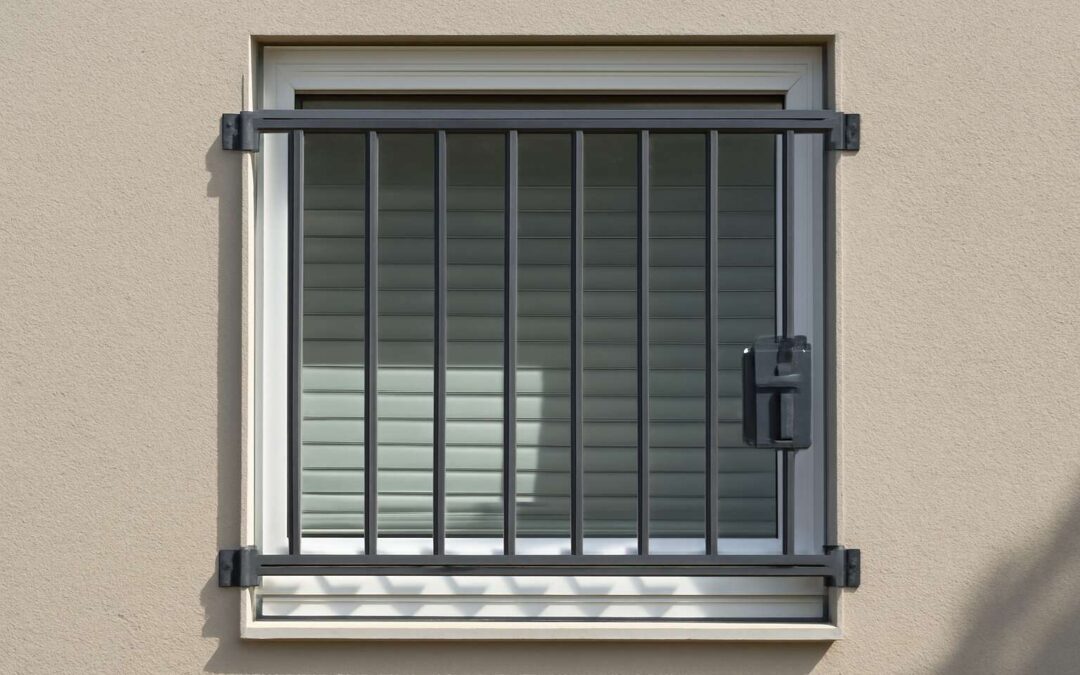
Security Bars with Fast-Release Latches
What is a fast-release mechanism and why it matters
Night hushes over the suburb; in South Africa, one in three burglaries begins at a ground-floor portal. I’ve watched doors sigh shut, and the bars behind them listen with steel-eyed calm.
This is the essence of burglar bars with quick release—the balance of safety and access. A fast-release mechanism is a lever or latch that lets you disengage the bar in a heartbeat while the frame remains a steadfast guardian against intruders.
- Swift emergency egress without sacrificing security
- Durable materials resist SA humidity and salt air
- Effortless reset for everyday peace of mind
In the quiet SA night, these bars are not mere metal but guardians of solace, patient and enduring as the moon over the veld.
Common designs and how they differ from standard burglar bars
In South Africa, one in three burglaries begins at a ground-floor portal, a sobering statistic that sharpens the mind toward safer design. These are, in essence, burglar bars with quick release, balancing safety and accessibility while ensuring a guardian’s posture even when doors sigh shut. Quiet, reliable, they invite swift egress in emergencies without surrendering steadfast protection against intrusion.
Common designs include:
- Lever-activated quick-release latches that disengage with a single, confident pull
- Push-button or twist-release mechanisms integrated into a slim profile
- Spring-loaded pins and rotating cams that reset automatically for daily use
These options differ from standard burglar bars by pairing a secure, fixed frame with an intuitive release that preserves daily convenience. The burglar bars with quick release map a path between vigilance and ease, offering South African homes a poised harmony of shelter and mobility.
Safety certifications and compliance considerations
One in three burglaries in South Africa begins at a ground-floor portal, a stark reality that sharpens every designer’s focus on practical safety. Security bars with fast-release offer a quiet confidence—steadfast protection with the grace to exit swiftly when it matters, keeping danger at bay while doors sigh shut.
For those choosing security bars with fast-release, certifications and compliance become non-negotiable. The products should bear recognized safety certifications and align with local building and safety codes. Look for the burglar bars with quick release to be tested for both security and emergency egress.
- SABS certification marks and accredited testing
- Fire code, egress requirements, and building-code alignment
- Durability, corrosion resistance, and warranty terms
Beyond marks and certificates, seek clear documentation, independent test results, and credible warranties that stand up to SA conditions.
Pros and pitfalls of quick-release systems
From street whispers to a home’s heartbeat, safety is a legend you can touch. In South Africa, one in three burglaries begins at a ground-floor portal—a statistic that sharpens every protection choice. Security bars with fast-release offer quiet confidence—steadfast protection and swift exit when danger calls. a shield you can trust—burglar bars with quick release turn panic into passage.
Pros that shimmer in the practical theatre of home security:
- Swift egress in emergencies without surrendering deterrence when locked.
- Solid build with corrosion resistance suited to SA climates; fewer maintenance worries.
- Clear, quick-release operation that won’t lock you in or out during a tense moment.
Pitfalls in shadows: Disengagement can occur if the mechanism isn’t maintained. It demands precise installation and regular inspection to avoid false alarms or compromised security. Weather and dust wear components; ensure reputable warranties for SA conditions.
Benefits and Risks of Quick-Release Security Bars
Enhanced accessibility for emergencies
“Fast access saves lives,” a SA safety officer declares, and it underpins burglar bars with quick release. When seconds count, a dependable release turns potential chaos into a controlled escape, letting residents meet the street with breath intact and dignity preserved!
Benefits flow like daylight: enhanced accessibility for emergencies, simpler upkeep, and a kinder fit for caregivers and elderly residents.
- Rapid egress during emergencies
- Simple routine checks
- Secure exterior with smooth release
Risks lurk if a release is neglected or misinstalled: components can corrode, jams can trap people inside, and opportunists might exploit a lax latch. In SA’s busy homes, weather, dust, and power outages demand sturdy, well-maintained hardware.
Balancing security and accessibility remains the craft of installation, not a gimmick.
Potential security trade-offs and mitigation
60% of rapid-evacuation outcomes improve when egress is clear, and in South Africa, every second counts in a crisis. The right design—burglar bars with quick release—offers a reliable exit when alarms blare and streets flood with noise. In practical terms, the system translates fear into orderly flow, letting residents step into dawn with safety intact.
Benefits flow from predictable, controlled egress to easier upkeep and caregiver-friendly access. But the trade-offs—security concerns if misinstalled or corroded—demand respect.
- Durable, corrosion-resistant finishes that stand up to SA weather
- Installation by certified technicians and periodic inspections
- Thoughtful design that minimizes dust ingress and tampering
Neglect invites gnashing gears: jams can trap occupants, and opportunists may exploit lax latch maintenance. Weather, dust, load-shedding can aggravate issues; a balanced approach—quality hardware, proper alignment, and professional oversight—keeps the exterior secure while preserving a smooth release.
Impact on home safety ratings and insurance
In South Africa, crisis moments are measured in seconds—emergency modeling shows up to 60% faster egress when exits are clear. Among the quiet guardians of safety, burglar bars with quick release offer a reliable exit when alarms blare and the street hums loud.
For home safety ratings, the ability to exit swiftly during a fire or blackout is a mark of thoughtful design. When the mechanism operates smoothly, insurers view risk more favorably and premiums may reflect that confidence. The balance lies in restraint that still liberates at dawn.
- Influence on safety ratings through reliable egress during emergencies
- Insurance considerations tied to finish performance and maintenance history
- Aesthetics and function coexisting without inviting tampering
On the flip side, misalignment, corrosion, or dust ingress can dull the promise of quick release, with knock-on effects for risk profiles and claims history. The right choice fuses quality hardware, proper alignment, and ongoing oversight in a SA climate.
Choosing between manual vs automatic quick-release
In South Africa, crisis moments are measured in seconds, with studies showing egress can be up to 60% faster when exits stay clear. Burglar bars with quick release offer a reliable escape when alarms blare and the street hums with noise, turning a fearful moment into a controlled passage.
When weighing manual versus automatic quick-release, you trade immediacy against complexity. Manual systems reward simplicity and fewer failure points but rely on user action; automatic variants promise instant readiness yet demand meticulous maintenance to dodge misalignment, corrosion, or dust—risks that concern insurers.
- Emergency egress reliability
- Proactive maintenance cadence
- Balanced tamper resistance
Done well, finish and hardware become quiet guardians, marrying aesthetics with steadfast safety rather than inviting tampering. The right balance supports safe egress, steady insurance profiles, and enduring curb appeal.
Choosing and Installing Quick-Release Bars
Materials, finishes, and corrosion resistance
Two minutes can be the difference between a safe exit and a panic-filled moment. In South Africa, choosing burglar bars with quick release isn’t a gimmick—it’s practical theatre for everyday security: secure by night, swift at the first alarm.
Materials and finishes matter in SA’s climate. Options span marine-grade stainless steel, rugged galvanized steel, and light aluminum. Finishes like powder coating or electroplating add color and extra bite against corrosion. Here’s a quick palette to consider:
- Stainless steel (A2/A4): superb corrosion resistance and longevity
- Galvanized steel with powder coat: budget-friendly and durable
- Aluminum with protective coatings: light and corrosion-resistant
Installation considerations ensure the quick-release stays reliable without compromising sturdiness. Professional fit, alignment with door frames, and maintenance by qualified installers help preserve safety standards. The balance between accessibility and security is central when evaluating models for South African homes.
Sizing, fit, and professional installation steps
Sizing isn’t a cosmetic afterthought in South Africa—it’s the difference between a quick exit and a rattled stand-off. Burglar bars with quick release come in sizes that respect door widths, jamb clearances, and handle geometry, letting you secure by night and glide to a swift exit at the first alarm.
Fit matters: a precise fit eliminates play, vanishes gaps, and keeps bars from catching on the frame. Professional measurement takes into account door swing, frame plumb, and hinge position, ensuring the release mechanism remains reliable under stress.
Installation steps should be handled by qualified installers who align bars with the door frame, anchor into solid substrate, and seal against corrosion. After mounting, a test confirms smooth release without compromising security—because in SA homes, credibility is built on both accessibility and safety. A properly executed installation keeps the balance between swift egress and solid protection.
Warranty, maintenance, and service considerations
In South Africa, every doorway carries a tale of vigilance. When paired with burglar bars with quick release, security becomes a living shield that responds in the moment—guarding by night and releasing with calm speed at the first alarm. A seasoned installer often reminds clients: security must move as the moment moves.
- Warranty duration and what it covers
- Required maintenance intervals
- Authorized SA technicians and service networks
- Replacement parts availability and lead times
- Residential vs commercial use and exclusions
Warranty and maintenance plans shape long-term confidence. Clear terms, periodic inspections, and prompt service keep the release mechanism reliable without sacrificing security. For burglar bars with quick release, proactive upkeep translates into fewer surprises and steadier insurance ratings in SA homes.
DIY installation vs professional install: cost and risk
Security must move as the moment moves. For homes in South Africa, choosing burglar bars with quick release means deciding who holds the key to safety—your DIY hands or a professional team’s precise fit.
DIY installation can trim upfront costs, but misalignment and weak anchorage quietly erode protection. A professional install delivers exact tolerances, certified fast-release mechanisms, and adherence to local standards—crucial for burglar bars with quick release during emergencies without sacrificing security.
Key cost and risk considerations include:
- Upfront material and hardware costs
- Labor time and potential rework
- Warranty validity and insurance implications
Local building codes and permits
“In emergencies, every second counts,” a South African safety engineer notes, and that urgency guides every decision about security hardware. The right setup blends protection with fast access when it matters most.
Local building codes and permits shape what you can install and how. Check with your municipality early for approvals that affect framing, anchorage, and emergency egress. When selecting burglar bars with quick release, ensure the design carries recognized safety certifications and aligns with local standards.
- Permits and approvals required by your municipality
- Compliance with emergency exit requirements
- Certification or test reports backing the release mechanism
Professional installation ensures exact tolerances and compliant fast-release mechanisms, preventing hidden gaps and misalignment that DIY may miss. Our team guides you through the permit maze and delivers a tidy, code-conscious finish.
Maintenance, Safety, and Best Practices
Regular inspection checklist
Maintenance isn’t optional—it’s the quiet shield around your doorway. For burglar bars with quick release, periodic checks keep the mechanism responsive and resistant to wear. In South Africa’s coastal towns, salt air accelerates corrosion, so a light, regular wipe-down and rust inspection matters more than you think.
Safety is about balancing quick access for emergencies with controlled use. Ensure the release is intuitive to trained occupants and easily locateable for responders, yet safeguarded from tampering. Regular safety signage and clear user instructions can prevent misfires and confusion during high-stress moments.
Best practices for an ongoing inspection regime are simple and discreet. Consider the following elements when you review the system:
- Release mechanism condition and response
- Lubrication of hinges and tracks
- Anchorage, fasteners, corrosion signs
- Function test under normal and emergency scenarios
Lubrication and hardware care
Maintenance isn’t optional—it keeps your entry system responsive and your doorway looking sharp. For burglar bars with quick release, a light wipe-down and rust check matter more in South Africa’s salty coastal climate, where sea air gnaws metal faster than gossip at the water cooler.
Safety isn’t a luxury; it’s a tightrope walk between rapid emergency access and staying one step ahead of tampering. The release should feel intuitive to trained occupants and easy for responders to locate, while remaining shielded from interference. Clear signage helps prevent chaos when minutes count.
Best practices for lubrication and hardware care are simple and discreet. Use manufacturer-approved products and avoid gunk that invites dust. In coastal towns, corrosion-resistant finishes pay dividends, delivering long life without shouting about it.
- Mechanism health and user experience
- Lubricant choices and keeping parts clean
- Mounting integrity and corrosion vigilance
Emergency readiness and user training
Maintenance isn’t a luxury; it’s the gear that keeps burglar bars with quick release responsive in everyday life and ready when pressure mounts. In South Africa’s coastal belt, salt and humidity gnaw at metal and fastenings, so regular inspection matters.
Safety isn’t a luxury either; it’s a tightrope between rapid emergency access and guarding against tampering. The release should feel intuitive to trained occupants and easy for responders to locate, while remaining shielded from interference. Clear signage helps prevent chaos when minutes count.
- Release handle unobstructed and visible in low light
- Clear, durable signage indicating quick-release location
- Mechanism returns to a secure state after use
- Regular checks documented by authorized personnel during safety drills
Best practices for maintenance emphasize using manufacturer-approved lubricants, avoiding heavy gunk, and choosing corrosion-resistant finishes for coastal towns. Regular, discreet attention keeps burglar bars with quick release performing with reliability and confidence, protecting both entry and peace of mind.
Security tips to complement quick-release bars
Salt-salted air along the South African coast gnaws at metal and tests the heart of every security system. I have learned that maintenance isn’t a luxury; it keeps burglar bars with quick release responsive when it matters most, turning everyday protection into quiet confidence.
Safety walks a fine line between swift access and resilience against tampering. The release must remain unobstructed and visible in low light, and clear signage should guide responders while shielding the mechanism from interference. These burglar bars with quick release demand ongoing vigilance.
Best-practice care blends respect for materials with discipline in upkeep. Choose coastal-grade finishes, employ the lubricants specified by the manufacturer, and avoid sludge that slows motion. Regular checks could be logged as part of your building’s safety culture.
- Consistency in inspection rhythms
- Clear documentation and accountability
- Coastal-resilient finishes and materials
Where to buy certified products and what to look for
Maintenance isn’t a luxury; it is the quiet guardrail against break-ins and rust alike. In SA’s salty air, regular checks keep hinges responsive and fast-release mechanisms trustworthy. Treat lubrication as ritual: follow the maker’s specs, wipe away grime, and avoid sludge that slows motion.
Safety balances swift access with tamper-resistance. Keep the release unobstructed, clearly lit, and visible to responders. Post simple signage and keep sightlines clear so help arrives without delay.
Best practices emerge from discipline and respect for materials. Monthly checks, tidy hardware, and a clear log create a safety culture that travels with your building.
- Coastal-grade finishes that resist salt spray
- Manufacturer-approved lubricants and routine motion tests
- Certification marks and a robust local service network
Where to buy certified products? Seek reputable retailers with documented warranties and installation support. Look for burglar bars with quick release and verify they meet local codes, warranties, and safety standards.
