
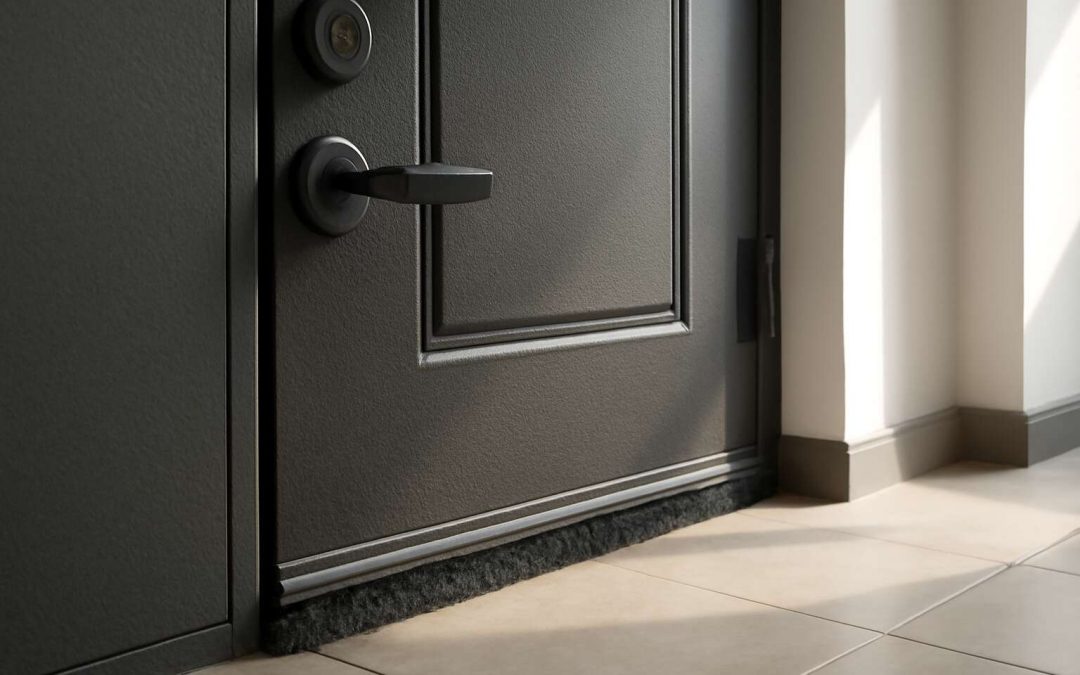
Understanding Security Door Weather Stripping
What is Weather Stripping?
Security door weather stripping is the silent guardian against the relentless march of drafts, dust, and unwelcome intruders. When meticulously applied, it transforms an ordinary security door into a fortress of comfort and safety. But to truly appreciate its significance, one must first understand what weather stripping entails—an often overlooked yet vital component of home security and insulation.
Weather stripping is essentially a barrier—crafted from rubber, foam, or silicone—that seals gaps around doors and windows, preventing air and moisture from infiltrating. Its primary purpose is to enhance energy efficiency, but in the realm of security door weather stripping, its role extends beyond insulation. It fortifies the perimeter of your security door, making forced entry more challenging and deterring potential threats.
Consider this: gaps as small as 2 millimeters can compromise both your home’s thermal integrity and its security. To address these vulnerabilities, the application of high-quality security door weather stripping involves careful selection and installation. Here are some common types used in such contexts:
- V-strips
- Foam tape
- Door sweeps
- Bulb seals
Each type offers unique advantages, from sealing gaps to reinforcing the door’s structural integrity. Understanding these nuances enables homeowners to make informed choices, ensuring their security door weather stripping performs double duty—protecting both their comfort and their safety with unwavering resilience.
Types of Weather Stripping Materials
Choosing the right security door weather stripping isn’t just about sealing gaps; it’s about fortifying your home against unseen threats. Different materials bring distinct strengths to the table, each tailored to combat specific vulnerabilities. Rubber, for example, offers exceptional durability and a tight seal, making it ideal for high-traffic security doors exposed to South Africa’s varied climate.
Foam tape, on the other hand, is a versatile option, easy to install and excellent for sealing less critical gaps. Silicone seals provide flexibility and resistance to extreme weather conditions—perfect for ensuring your security door weather stripping remains effective year-round. For added security, consider door sweeps and bulb seals, which not only block drafts but also reinforce the door’s structural integrity, deterring intruders and preventing drafts from sneaking in.
- Rubber seals for durability
- Foam tape for quick fixes
- Silicone for weather resistance
- Door sweeps and bulb seals for added security
Understanding these materials empowers homeowners to select the optimal security door weather stripping, ensuring their home remains a fortress—resilient, energy-efficient, and secure against intruders. In the end, it’s about safeguarding what matters most with unwavering precision.
Why Weather Stripping is Essential for Security Doors
In the dance of shadows and light that defines a home’s fortress, security door weather stripping emerges as an unsung hero—subtle yet vital. Its true purpose goes beyond mere sealing; it creates a barrier that preserves the sanctity of your space. In South Africa’s unpredictable climate, where fierce sun and sudden storms are part of daily life, the importance of reliable security door weather stripping cannot be overstated.
This simple yet mighty addition acts as an invisible shield, thwarting drafts, blocking unwanted intrusion, and enhancing energy efficiency. When chosen with care, it transforms a humble door into a formidable gatekeeper. For those who seek peace of mind, understanding the nuanced role of security door weather stripping reveals how small details weave a tapestry of security, resilience, and comfort in every home.
Benefits of Installing Weather Stripping on Security Doors
Enhanced Energy Efficiency
In an era where energy efficiency is no longer a luxury but a necessity, the subtle yet powerful act of installing security door weather stripping emerges as a silent guardian of savings. It’s fascinating how such a simple addition can dramatically reduce energy wastage, especially in South Africa’s fluctuating climate. When properly fitted, security door weather stripping acts as a formidable barrier against drafts, heat loss, and cold infiltration, ensuring your home maintains a stable internal temperature.
Beyond the immediate financial benefits, this enhancement promotes a more sustainable lifestyle, cutting down on the demand for excessive heating and cooling. The ripple effect of such efficiency extends beyond the individual household—contributing to national energy conservation efforts. Installing security door weather stripping isn’t just about comfort; it’s a conscious step toward environmental responsibility, making your space more resilient in the face of unpredictable weather patterns and rising energy costs.
Improved Security and Privacy
Security door weather stripping does more than seal out drafts; it enhances your home’s safety and privacy. When properly installed, it creates an additional barrier that intruders find difficult to bypass. This small upgrade can significantly improve the security of your property, giving you peace of mind.
By sealing gaps around your security door, weather stripping prevents unwanted visitors from exploiting weak points. It also reduces noise infiltration, making your home more private and comfortable. For those living in South Africa’s diverse climate, this means fewer disturbances from outside noise and better control over indoor conditions.
In addition, security door weather stripping helps maintain a consistent internal environment, discouraging temperature fluctuations that can compromise your security features. With these benefits, it’s clear that weather stripping is a vital component in safeguarding your home, elevating both security and privacy in one simple step.
Protection Against Weather Elements
In South Africa’s unpredictable climate, the elements can be relentless—blowing dust, sudden rain showers, and scorching heat all threaten the sanctity of your home. Installing security door weather stripping acts as a silent guardian, creating an impenetrable barrier against these natural forces. It’s not just about comfort; it’s about safeguarding your space from the outside world’s unpredictable whims.
Beyond the obvious protection, weather stripping enhances the durability of your security door by preventing moisture and debris from infiltrating the frame. This preservation extends the lifespan of your door, reducing maintenance costs and ensuring that your security measures remain effective over time. For those seeking an extra layer of resilience, consider a strategic approach using security door weather stripping in combination with other protective features.
- It shields your home from drafts and temperature swings, maintaining a more stable indoor climate.
- It reduces the strain on your heating and cooling systems, leading to noticeable energy savings.
- It acts as a first line of defense, sealing gaps that could otherwise be exploited by intruders or pests.
When the weather rages outside, your security door weather stripping quietly works to keep the elements at bay, ensuring your home remains secure, comfortable, and energy-efficient. In a land of diverse and often extreme weather, such a simple upgrade can be transformative—turning a basic door into a fortress of protection.
Cost Savings Over Time
Installing security door weather stripping is more than just a simple upgrade; it’s an investment that pays dividends over time. By sealing gaps and preventing drafts, weather stripping significantly reduces the strain on your heating and cooling systems. This translates into tangible **cost savings** on energy bills, especially during South Africa’s unpredictable seasons when climate swings can be stark.
Moreover, the durability of your security door is enhanced as weather stripping wards off moisture and debris, preventing premature deterioration. This preservation means fewer repairs and replacements, further cutting long-term costs. Consider this: a well-maintained security door with proper weather stripping can extend its lifespan by several years, safeguarding your initial investment.
For those looking to maximize savings, a strategic combination of security door weather stripping with other protective features can turn your home into a fortress of resilience—saving you money and peace of mind in equal measure.
Key Features to Look for in Security Door Weather Stripping
Durability and Weather Resistance
In the realm of security door weather stripping, durability isn’t just a feature—it’s the very foundation of trust. When you consider the relentless assault of South Africa’s climate—blazing sun, torrential rains, and sudden temperature swings—only the most resilient materials can hold their ground. Weather resistance becomes a moral imperative, safeguarding not just your home but your peace of mind.
Look for security door weather stripping that boasts high-grade rubber, silicone, or EPDM compounds. These materials excel in resisting cracking, warping, and deterioration over time. A truly effective weather stripping solution will also maintain its sealing properties despite exposure to UV rays and moisture, preventing drafts, water ingress, and energy loss. The key is selecting weather stripping that endures the test of time, ensuring your security and comfort are never compromised.
- Exceptional resilience against environmental stressors
- Ability to maintain a tight seal over years of fluctuating weather
- Compatibility with various security door designs and materials
Easy Installation and Maintenance
Choosing the right security door weather stripping isn’t just about sealing gaps; it’s about ease and efficiency. No one wants a complicated installation that takes hours or requires specialized tools. Opt for weather stripping that offers straightforward, hassle-free installation—typically with adhesive backing or simple mechanical fittings. This ensures you can secure your home quickly, without sacrificing quality.
Maintenance should be minimal, yet effective. Look for weather stripping that resists dirt buildup and can be easily cleaned with a damp cloth. A durable, flexible material will adapt to door movements and stay in place long term. The best options are designed to withstand South Africa’s climate, maintaining a tight seal despite temperature swings and moisture.
Some features that make installation and maintenance simpler include:
- Self-adhesive backing for quick application
- Flexible, weather-resistant materials like silicone or EPDM
- Easy-to-clean surfaces that resist dirt and grime
Choosing the right security door weather stripping with these features guarantees a tight seal and long-lasting performance—saving you time, effort, and money in the long run.
Compatibility with Different Door Types
When selecting security door weather stripping, compatibility with various door types becomes paramount—each door presenting its own nuances and challenges. The ideal weather stripping must seamlessly adapt to the material, thickness, and operational mechanics of your security door, ensuring an impeccable seal without impeding door functionality. For example, a wooden door demands a different approach than a metal or composite security door, each requiring specific profiles and attachment methods to guarantee longevity and performance.
Among the key features to consider are flexibility and resilience. Flexible materials like silicone or EPDM are often the best choice, as they can conform to irregular door surfaces and accommodate slight shifts or warping. Moreover, some security doors feature unique thresholds or frame configurations, which necessitate custom or adjustable weather stripping solutions.
- Assess the door’s material and dimensions with precision.
- Opt for weather stripping designed explicitly for your door type—whether flush, slab, or rebated.
- Prioritize compatibility with existing door hardware and hinges to avoid interference.
Matching the right security door weather stripping to your specific door type ensures not only a tight, weather-resistant seal but also preserves the integrity and security of your installation. When chosen thoughtfully, it transforms a simple barrier into a fortress—resilient against South Africa’s unpredictable climate and intrusive elements alike.
Seal Quality and Effectiveness
Choosing the right security door weather stripping is crucial to ensuring your home remains a fortress against the elements and intruders. The key features to look for include high-quality seal integrity and resilience, which directly influence its effectiveness and longevity. Durable materials like silicone or EPDM rubber are often preferred because they maintain their flexibility over time, even in South Africa’s fluctuating climate.
Another vital aspect is the ease of installation and maintenance. A well-designed weather stripping should fit seamlessly into various door types without requiring complex adjustments. Compatibility with existing hardware and the door’s dimensions is essential — a snug fit guarantees optimal protection and prevents drafts or forced entry. For doors with unique thresholds or frame configurations, consider adjustable or custom solutions that provide a perfect seal every time.
- Seal quality and material resilience
- Ease of installation and customization
- Compatibility with door hardware and frame design
When selecting security door weather stripping, prioritize these features to create a barrier that is not only weather-resistant but also a formidable line of defense, ensuring peace of mind in every season.
Types of Weather Stripping Suitable for Security Doors
V-Seal Weather Stripping
In the shadowed corridors of security, where every crack and crevice whispers vulnerabilities, the choice of weather stripping becomes an arcane art. Among the myriad options, V-seal weather stripping emerges as a spectral guardian—its sleek, accordion-like form sealing gaps with a whisper of strength and resilience. This type of weather stripping, crafted from resilient materials like rubber or silicone, is renowned for its ability to conform seamlessly to uneven surfaces, ensuring no breach escapes its vigilant grasp.
What makes V-seal weather stripping particularly advantageous for security doors is its capacity to act as both an insulator and a barrier against unwelcome intruders. Its flexible nature allows for easy installation, even on doors that seem to resist conformity. For those seeking a clandestine shield that melds durability with discreet protection, V-seal weather stripping is an essential component of a robust security door weather stripping system.
- Excellent for irregular or warped door frames
- Provides a tight seal against weather elements and intruders
- Simple to install and maintain over time
Door Sweeps
When it comes to fortifying your sanctuary, the choice of weather stripping for security doors is a decision that marries practicality with a touch of artistry. Among the myriad options, door sweeps stand out as a stalwart guardian—sweeping away drafts, dust, and the slightest whisper of intrusion. Crafted from durable materials like aluminum, rubber, or silicone, door sweeps glide seamlessly across the threshold, creating a barrier that is both invisible and impenetrable.
For security doors, selecting the right weather stripping involves understanding the nuances of each type. Door sweeps are particularly suited to irregular or warped door frames, ensuring a tight seal that prevents unwelcome visitors and weather elements from slipping through. They are easy to install and maintain, making them a popular choice for homeowners seeking a seamless blend of security and energy efficiency.
R(ab) Seals
When it comes to fortifying your sanctuary, the choice of security door weather stripping is paramount. Among the myriad options, certain types stand out as the unsung heroes—reliable, discreet, and utterly effective. These weather stripping varieties are designed not only to seal gaps but also to enhance the security profile of your door, acting as a subtle yet formidable line of defense.
One particularly versatile option is the **R(ab) seal**, which is crafted from resilient rubber or silicone. This type of weather stripping conforms to irregular door frames, sealing gaps with precision while maintaining flexibility. It’s a favorite for homeowners who appreciate a seamless appearance combined with robust performance.
- R(ab) seals
- V-Seal weather stripping
excel in creating an airtight barrier, thwarting drafts and potential intruders alike. Their easy installation ensures that even the most hesitant DIY enthusiast can bolster their security door effectively.
In essence, the right security door weather stripping not only preserves your home’s energy efficiency but also elevates your overall security posture—an elegant solution with a practical punch. Choosing the appropriate type is less about aesthetics and more about meticulous sealing, ensuring your fortress remains both welcoming and impenetrable.
Foam Tape Weather Stripping
Foam tape weather stripping is a popular choice for enhancing the security of your door. Its soft, pliable material creates a snug seal around irregular door frames, preventing drafts, dust, and unwanted intruders from sneaking through. Unlike rigid options, foam tape is incredibly forgiving, making it ideal for older or uneven doors common in South African homes.
This type of weather stripping is straightforward to install—simply peel and stick—allowing homeowners to upgrade their security door weather stripping without professional help. Its lightweight nature means it won’t interfere with the door’s operation, maintaining both security and ease of use. For added peace of mind, look for foam tapes with high-density core and UV resistance, ensuring durability against the elements.
In the realm of security door weather stripping, foam tape stands out as a cost-effective, reliable, and discreet solution. It complements other security measures, fortifying your home against the unpredictable weather and potential threats alike.
Polymer or Silicone Gaskets
When it comes to fortifying your home in South Africa, choosing the right security door weather stripping can be a game-changer. Among the most versatile options are polymer and silicone gaskets, renowned for their exceptional resilience and flexibility. These materials form a seamless barrier, adapting effortlessly to the contours of your door while resisting the wear and tear of harsh weather conditions.
Polymer and silicone gaskets excel in providing a tight, reliable seal that enhances your security door weather stripping’s performance. Their inherent flexibility ensures that even older, uneven door frames are well-protected against drafts, dust, and potential intrusions. An added advantage is their resistance to UV rays and temperature fluctuations, making them perfect for the South African climate.
For those seeking an extra layer of security and insulation, consider gaskets with embedded features such as:
- High-density cores for superior sealing
- UV-resistant coatings for durability
- Self-adhesive backing for straightforward installation
These characteristics make polymer or silicone gaskets an indispensable part of your security door weather stripping arsenal—delivering peace of mind with every seal.
Step-by-Step Guide to Installing Weather Stripping on Security Doors
Preparation and Measurement
Installing security door weather stripping may seem like a modest task, but it holds immense power in enhancing your home’s protection and efficiency. A precise measurement and careful preparation ensure that the weather stripping fits seamlessly, creating an impenetrable barrier against the elements and unwanted intruders. Interestingly, overlooked details during this step can significantly diminish the effectiveness of your security door weather stripping, compromising both security and energy savings.
Start by thoroughly inspecting your door frame, noting any irregularities or gaps that need sealing. Using a tape measure, determine the exact length of the door sides, top, and bottom where the weather stripping will be applied. Accurate measurements are crucial; even a small miscalculation can lead to drafts or security vulnerabilities. For optimal results, prepare your workspace with a clean, dry surface and gather all necessary tools and materials, such as scissors, adhesive, or screws, depending on the type of weather stripping you choose.
- Measure each door perimeter meticulously, recording the dimensions for each side.
- Cut the weather stripping material to match these measurements, ensuring a snug fit without excess.
- Remove any old weather stripping or debris from the door frame to promote adhesion and proper sealing.
This methodical approach guarantees that your security door weather stripping will perform at its best, providing a robust barrier that enhances security, insulation, and overall comfort for your home in South Africa. Proper preparation and measurement are the foundation for a successful installation that stands the test of time and weather!
Choosing the Right Weather Stripping
Choosing the right weather stripping for your security door can transform your home into a fortress of comfort and safety. The secret lies in understanding the unique demands of South African weather—hot days, sudden storms, and chilly nights demand a tailored approach. When selecting security door weather stripping, consider the climate, door material, and the level of security needed. For instance, a durable foam tape weather stripping offers excellent insulation, while a polymer gasket provides superior sealing against intruders and weather elements alike.
To ensure a seamless fit, measure each side of your door meticulously. Once you’ve determined the dimensions, follow these steps for installation:
- Cut the weather stripping material to match your measurements, ensuring it fits snugly without gaps.
- Remove any old weather stripping and debris from the door frame to promote proper adhesion and sealing.
- Apply the new weather stripping carefully, pressing it firmly into place for maximum effectiveness.
By choosing the appropriate type of security door weather stripping and installing it with precision, you fortify your home against both weather and unwelcome visitors. The right materials not only enhance security but also contribute to energy efficiency and overall comfort in your South African sanctuary.
Installation Process
Installing security door weather stripping is a meticulous dance with the elements—a ritual that safeguards both your home’s integrity and your peace of mind. The process demands patience and precision, but the reward is a fortress impervious to the relentless South African climate. Begin by removing any old weather stripping and cleaning the door frame thoroughly. This creates a pristine surface for a seamless seal and maximizes the lifespan of your security door weather stripping.
Next, measure each side of your door meticulously. Accurate measurements are crucial; even a millimeter off can compromise the entire installation. Once you have your dimensions, cut the weather stripping material accordingly, ensuring it fits snugly without gaps. For added security and insulation, consider using a foam tape weather stripping or a polymer gasket—each offers unique benefits tailored to your needs.
- Align the weather stripping carefully along the door frame.
- Press firmly to ensure complete adhesion, especially at corners and edges.
- Check the fit by closing the door gently—there should be no resistance or uneven gaps.
In South Africa’s unpredictable weather, a well-installed security door weather stripping acts like an invisible barrier—fortifying your home against drafts, rain, and intruders alike. The secret lies in the details, and every step taken with care enhances the overall security and comfort of your space.
Tips for Ensuring a Perfect Seal
Getting that perfect seal on your security door weather stripping isn’t just about slapping it on and hoping for the best. It’s a delicate dance—like trying to tame a wild zebra, but with fewer stripes and more patience. Start by meticulously measuring each side of the door to avoid any embarrassing gaps. A miscalculation of even a millimeter can turn your fortress into a drafty sieve. Once you’ve got your measurements, cut the weather stripping carefully, ensuring it fits snugly without cringing at the edges.
Next, align the weather stripping along the door frame with precision. Press firmly, especially at the corners—think of it as giving your home a reassuring hug. To ensure a seamless barrier, check the fit by closing the door gently; there should be no resistance or uneven gaps that could let in unwanted weather or intruders. For added security, consider using foam tape weather stripping or a polymer gasket, which can be tailored to your specific needs. Remember, a well-installed security door weather stripping isn’t just about insulation—it’s your first line of defense against South Africa’s unpredictable climate and any unwelcome visitors.
Maintenance and Troubleshooting
Regular Inspection and Replacement
Even the most vigilant security door weather stripping can’t fend off the march of time or the relentless South African sun forever. Regular inspection isn’t just a chore; it’s a vital ritual to keep your door’s seal as formidable as a fortress. Over time, weather stripping may develop cracks, gaps, or become brittle—turning your once mighty barrier into a flimsy curtain of protection. Think of it as giving your security door weather stripping a check-up, ensuring it continues to block out drafts, noise, and unwelcome intruders.
When it’s time for replacement, don’t just slap on the first piece that catches your eye. Proper maintenance and troubleshooting involve a keen eye for detail. Look for signs of wear, deformation, or detachment—those tiny cracks can be the Achilles’ heel in your security. To make the process seamless, consider these steps:
- Remove the old weather stripping carefully, avoiding damage to the door frame.
- Clean the surface thoroughly; dust and debris are like kryptonite to a good seal.
- Measure precisely to ensure a snug fit—no gaps allowed!
- Apply the new security door weather stripping firmly, pressing out any air pockets.
Remember, a little vigilance goes a long way. Frequent inspections and timely replacements are your best defense against drafts, energy loss, and potential security breaches—keeping your home cozy and secure in the unpredictable South African climate.
Common Issues and Fixes
Even the most meticulously installed security door weather stripping isn’t immune to the whims of the South African climate or the passage of time. When cracks, gaps, or brittleness appear, it’s a signal that your fortress’s integrity might be compromised. Troubleshooting common issues requires a keen eye and a touch of finesse—think of it as giving your security door weather stripping a health check. Ignoring these telltale signs can lead to drafts sneaking in, noise pollution, or worse, security vulnerabilities.
One of the simplest yet most effective fixes involves inspecting the weather stripping for deformation or detachment. If it’s loose or damaged, carefully remove the old material, taking care not to harm the door frame. Then, clean the surface thoroughly, removing dust and debris—these are the arch-nemeses of a good seal. When fitting new weather stripping, ensure a snug, airtight fit; pressing out air pockets is crucial to maintain its protective qualities.
For persistent issues, consider these troubleshooting steps:
- Check for uneven wear or compression that might reduce sealing effectiveness.
- Replace sections that have become brittle or cracked, rather than patching them up haphazardly.
- Adjust the door alignment if the weather stripping isn’t making proper contact.
Remember, a vigilant approach to maintenance—regularly inspecting and promptly replacing compromised weather stripping—can ward off drafts, energy loss, and security lapses. When it comes to security door weather stripping, a little proactive care ensures your home remains a sanctuary amidst the capricious South African weather.
Maximizing Door Security and Insulation
In the realm of safeguarding your sanctuary, the vigilance you dedicate to your security door weather stripping can mean the difference between impenetrable fortress and vulnerable threshold. Regular maintenance acts as the vigilant guardian, ensuring that your security door weather stripping remains resilient against the relentless South African climate—be it scorching heat or sudden downpours. Over time, even the most robust weather stripping can succumb to the elements, developing cracks or detachment that compromise both security and insulation.
To maximize door security and insulation, a keen eye for troubleshooting common issues is essential. Start with a close inspection—look for deformation, compression, or brittleness that signals a need for replacement. When issues are identified, carefully remove the compromised sections, clean the surface thoroughly, and fit new weather stripping with precision, ensuring an airtight seal. This proactive approach not only blocks drafts but also fortifies your home against intrusions and energy loss.
Persistent problems may require adjusting the door alignment or replacing sections that have become too worn. Remember, the secret lies in the details: a snug fit, free of air pockets and gaps.
- Check for uneven wear
- Replace brittle or cracked segments
- Adjust door hinges for optimal contact
Regularly scrutinizing your security door weather stripping keeps your haven both cozy and secure, resilient against the capricious South African weather, and ready to face whatever comes next!
Choosing the Best Weather Stripping Products for Security Doors
Top Brands and Manufacturers
Choosing the best weather stripping products for security doors is an art rooted in the delicate balance between resilience and concealment. When selecting top brands and manufacturers, one must seek offerings that embody the dark elegance of durability—products that withstand South Africa’s capricious climate while maintaining an almost spectral seal. Renowned brands such as Frost King, M-D Building Products, and Frost King are often heralded for their unwavering quality, providing solutions that blend seamlessly into the shadows of your security door.
For those who desire nothing less than the pinnacle of protection, consider a product lineup that includes V-seal weather stripping, door sweeps, and foam tape weather stripping—each crafted to forge an impenetrable barrier against the elements. An ordered approach to selection might involve examining the specifications, compatibility, and longevity of these products, ensuring that every seam whispers of invincibility. After all, in the realm of security door weather stripping, only the most steadfast shall prevail against the relentless march of weather and intruders alike.
Customer Reviews and Ratings
When it comes to choosing the best security door weather stripping, customer reviews and ratings can be the ultimate compass. After all, what’s the use of sleek seals if they crumble under South Africa’s unpredictable climate? Genuine user feedback reveals which products truly stand the test of time—and which ones are just all talk. A high rating often correlates with durability, seamless installation, and effective sealing, making it a reliable indicator for savvy homeowners.
To streamline your search, consider focusing on products with glowing reviews for their weather resistance and ease of maintenance. For example, many users praise foam tape weather stripping for its flexibility and affordability, while heavy-duty door sweeps often earn kudos for their impenetrable barrier against drafts and intruders. Analyzing these insights can help pinpoint options that will keep your security door weather stripping performing flawlessly, no matter what Mother Nature throws your way.
In the realm of security door weather stripping, customer ratings serve as a trusted barometer—guiding you toward solutions that combine resilience with practicality. After all, a product that wins hearts in reviews is more likely to safeguard your home with silent, spectral efficiency, keeping both weather and unwanted visitors at bay.
Price Range and Value
When it comes to selecting the perfect security door weather stripping, balancing cost with value is paramount. In South Africa’s ever-changing climate, a security door weather stripping product must not only be affordable but also deliver long-lasting performance. The most effective options often strike a delicate harmony between price and durability, ensuring your home remains protected without draining your budget.
Affordable doesn’t mean sacrificing quality; instead, it invites a careful assessment of what each product offers. For example, foam tape weather stripping proves to be a cost-effective choice, granting flexibility and ease of installation at a modest price. Conversely, heavy-duty door sweeps, though slightly pricier, provide an impenetrable barrier against drafts and intruders, offering excellent value for money in the long run. To help guide your decision, consider the following:
- Assess your door’s specific needs for weather resistance and security
- Compare the durability and maintenance requirements of different weather stripping types
- Prioritize products with proven resilience in South Africa’s unique climatic conditions
Ultimately, investing in the right security door weather stripping means choosing products that deliver maximum protection, energy efficiency, and peace of mind, all within a price range that makes sense for your home. Remember, the best value isn’t just about initial cost—it’s about enduring performance that keeps your home safe, dry, and secure for years to come.
