
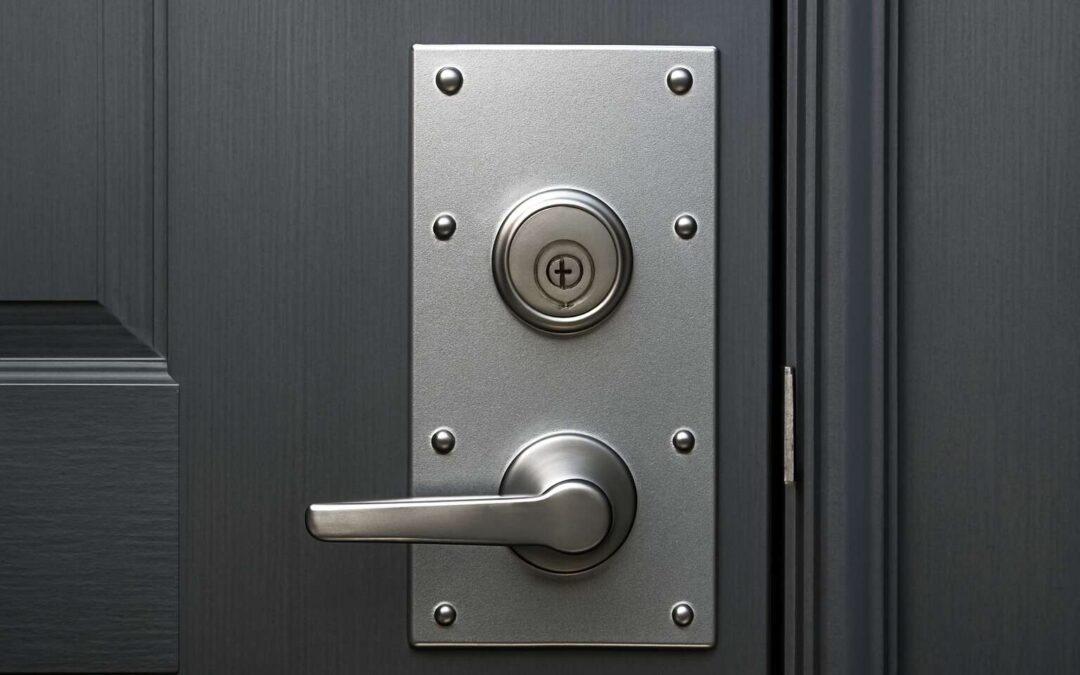
Door protection covers: types and purposes
Rigid metal covers for high-security doors
Every door is a first line of defense—and in South Africa, a door breach is attempted every 60 seconds! A simple upgrade can deter threats and buy time. A well-chosen security door cover turns a vulnerable threshold into a shield that speaks of care and caution.
Door protection covers: types and purposes guide what fits where. Common forms include:
- Rigid metal covers for high-security doors
- Reinforced steel plates
- Weatherproof shields for outdoor use
Durability, fit, and appearance matter as much as protection. The right choice depends on door material, exposure, and risk profile—and in many SA settings, a thoughtful approach pays off more than flash alone.
PVC and composite covers for residential use
“A door is a conversation between safety and complacency,” says a security consultant, and the first reply is often a practical one. In homes across SA, a well-chosen security door cover can shift that dialogue from vulnerability to resilience, quietly signaling care and caution.
PVC covers for residential use offer different aesthetics and performance.
- Weatherproof durability
- Low maintenance
- Wide finish options
- Easy installation
Composite options blend a tough core with a tasteful outer layer for longer life and UV resistance.
These residential choices respect form and function, blending into façades while maintaining a robust shield for a security door cover. In SA suburbs and cities, the right PVC or composite cover signals prudent investment that prioritizes safety without sacrificing style.
Reinforcement features like studs and anti-tamper screws
“A door is a conversation between safety and complacency!” In South Africa, a well-chosen security door cover can shift that dialogue from vulnerability to resilience, offering quiet reassurance at the threshold. It signals to family and visitors that care and caution stand guard, even when the day grows long and the wind blows hard across the veld.
- Stud reinforcement for solid anchor points
- Anti-tamper screws to resist forced removal
- Reinforced jambs and hardware that deter prying
For South African homes and farms, these door protection covers serve a practical duty without shouting. They protect not just metal and timber, but the morning rituals—coffee steam, children’s laughter, and the quiet courage of a family who chooses the safer path—a true security door cover in motion!
Common use cases across home and business environments
Security is the hinge on which a home swings between precaution and complacency—and the door is the doorway to that balance. In South Africa, a quality security door cover offers a calm, constant presence at the threshold, signaling care without shouting and turning everyday moments into a shielded routine.
Door protection covers come in a spectrum of forms, each chosen for the rhythm of its setting. They shield against scuffs and weather, provide a discreet layer of deterrence, and extend the life of entryways without making a spectacle of safety.
Across home and business environments, common use cases for these covers include:
- Front entry doors for houses and flats
- Outbuildings, sheds, and farm outposts on rural properties
- Retail storefronts, reception corridors, and office suites
- Industrial warehouses, loading bays, and service entrances
When chosen with care, a security door cover becomes part of the daily ritual—quiet, steadfast, and always watching over the threshold for the people who pass through it.
Choosing the right cover: materials, ratings, and compatibility
Material options: steel, aluminum, and composites
Security door cover isn’t merely metal—it’s a shield that sets the first line of defense. Across South Africa’s diverse environments, the right cover makes safety feel almost ordinary. A seasoned consultant once said, ‘Protection is a choice you make every day’—and that choice echoes in every door.
Material choices matter: steel delivers uncompromising rigidity, aluminum keeps weight manageable, and composites blend resilience with weather-ready finishes. Look for ratings that demonstrate real performance—SABS or EN certifications, anti-tamper and impact resistance—and ensure the security door cover aligns with your door’s hardware and frame.
- Size and mounting method compatibility
- Finish and corrosion resistance for coastal or humid climates
- Integration with existing reinforcement features
Careful pairing transforms a sturdy asset into a credible barrier that respects aesthetics as much as function.
Security ratings and compliance considerations
Front doors in South Africa wear the night like a sigil. In SA, the front door remains the most exploited entry point in break-ins, a fact that gnaws at the quiet hours. A security door cover is not mere hardware—it is a vow to protection.
Material choices matter: steel offers rigid certainty, aluminum keeps weight reasonable, and composites blend resilience with weather-ready finishes. For coastal and humid climes, seek corrosion resistance that withstands salt spray and sun.
- Certifications: SABS or EN
- Anti-tamper and impact resistance
- Compatibility with door hardware and frame
Security ratings and compliance considerations help separate form from fortress. Choose products with independent testing stamps and ensure alignment with your door’s frame and reinforcement features.
Door and frame compatibility checks
SA front doors wear the night like a sigil; one solid decision can fortify your entry as the dusk settles. A security door cover is not mere hardware—it’s a vow to protection that stays when the house sleeps. In everyday life, that choice translates into breach resistance you can feel, even before you look at it.
Materials matter in the long run. Steel offers rigid certainty, aluminum keeps weight in check, and composites blend strength with weather-ready finishes. For coastal and humid climates, look for corrosion resistance that shrugs off salt spray and sun. Certifications should be visible and trustworthy—SABS or EN stamps, anti-tamper features, and easy compatibility with your door hardware.
Door and frame compatibility checks ensure the cover sits true and locks in with the frame’s reinforcement. A quick checklist keeps surprises at bay:
- Frame compatibility and reinforcement alignment
- Hinge mounting, lockset and strike compatibility
- Mounting hardware, anti-tamper screws, and finish
- Independent testing stamps and domestic compliance
Thickness, profile, and installation surface
Protection you can feel when the house sleeps is the compass of a smart entry. In South Africa, a well-chosen security door cover isn’t merely hardware—it’s a quiet vow to keep what matters safe as dusk settles. Materials, ratings, and compatibility matter, but the fit should feel effortless in daily use and endure our climate’s shifting moods.
Think of Thickness, profile, and installation surface as your triad for a seamless fit. For coastal and humid zones, insist on corrosion resistance and finishes that shrug off salt spray. Look for visible certifications—SABS or EN stamps—and anti-tamper features that work with your door hardware. The right security door cover reads as an integral part of the door, not an afterthought.
- Thickness
- Profile
- Installation surface
With these elements aligned, installers can deliver a cover that feels inevitable—strong, precise, and quietly confident.
Aesthetic choices and privacy levels
They say a sturdy door is a silent sentry—your security door cover is the quiet anchor of that promise. In SA, the right cover blends materials, ratings, and compatibility into one seamless fit, so the entry stays calm when pressure rises.
Materials matter: steel for brute strength, aluminum for a lighter touch, composites for coastal humidity. Aesthetics aren’t an afterthought; finishes should suit your façade, while privacy levels can be tuned with subtle overlays.
- Material options: steel, aluminum, composites
- Finish that resists SA sun and salt spray
- Privacy levels: clear, translucent, or opaque panels
Ratings and compatibility matter most—look for recognized standards and ensure the cover plays nicely with hinges, door frames, and hardware.
Installation and maintenance best practices
DIY installation steps and required tools
A well-timed quip says it all: “Security is a process, not a gadget.” When considering a security door cover, the drama lies not in bravado but in how neatly it mounts and holds up under daily wear. It deserves thoughtful attention.
Installation and maintenance best practices begin with respect for the door and frame. Verify compatibility, ensure level alignment, and seal against drafts. For those opting DIY, the right tools matter more than bravado; a security door cover benefits from careful preparation.
- Measuring tape and spirit level
- Drill with masonry and wood bits
- Screwdrivers (Phillips and flat)
- Silicone sealant and caulk gun
- Corrosion-resistant screws and anchors
Maintenance is the art of quiet endurance, especially in South Africa’s mixed climate: seasonal checks, tightening fasteners, and wiping away dust that invites rust. Lubricate moving parts sparingly and watch for misalignment or looseness that dulls the door cover’s efficiency.
Ultimately, the installation and upkeep of a security door cover should feel like good manners—visible, reliable, and unobtrusive.
Professional installation vs. DIY safety considerations
Across South Africa, 68% of security breaches hinge on weak mounting rather than brute force. Professional installation offers trained alignment, robust anchors, and a warranty that glows like a lantern at dusk. DIY safety considerations loom, yet the security door cover deserves respect.
- Warranty implications of DIY work
- Safety risks from misalignment and compromised frame integrity
- Code compliance and compatibility with existing hardware
Maintenance is the art of quiet endurance. In our mixed climate, seasonal checks and careful dust management keep the security door cover upright. I watch for corrosion or subtle misalignment—the kind that dulls its efficiency—and greet each dawn knowing it holds its line.
Maintenance tips: cleaning, inspection, and renewal intervals
Across South Africa’s mixed climate, the security door cover does quiet, stubborn work at the threshold. A strong mount isn’t glamorous, but it’s where courage begins—68% of breaches hinge on weak mounting rather than brute force—and that truth shapes every check and wind-blown dawn.
Maintenance is the art of quiet endurance. Regular cleaning loosens dust and corrosion, while periodic inspection guards against misalignment and compromised frame integrity. Establish renewal intervals to ensure the anchors and hinge points stay true through years of sun and rain.
Adopt a simple, seasons-spanning routine:
- Cleaning
- Inspection
- Renewal intervals
Inspection checklists for wear, rust, and alignment
In South Africa’s mixed climate, a properly installed security door cover exerts quiet authority at the threshold. Remember the stark fact: 68% of breaches hinge on weak mounting, not sheer brute force — and that truth shapes every survey of fit and torque.
Installation and care demand fit, finish, and sturdy hardware. Choose a compatible frame, verify surface and thickness, and secure anchors with anti-corrosion fasteners. The aim is a wind-resilient seal that stays true through sun and rain.
Maintenance mindset: a light but vigilant inspection is your best ally. A concise checklist keeps wear, rust, and alignment honest.
- Wear at mounting points and along cover edges
- Rust or corrosion around screws, studs, and anchors
- Gaps, misalignment, or binding at the door/frame junction
- Hinges, lags, and fasteners showing looseness or fatigue
In SA, seasonal checks by a professional complement ongoing care, keeping the security door cover faithful to its threshold.
Safety, privacy, and insurance considerations
Impact on egress requirements and fire safety
“Protection begins at the doorstep,” a security consultant reminds us, and in South Africa that edge often decides more than any statistic! I’ve seen how a well-chosen security door cover shapes safety and privacy, while insurers look for documented installations and standards-compliant materials.
- Privacy controls such as frosted panels or discreet glazing to minimize visibility without cutting light.
- Insurance considerations: documented installation and certified materials can influence policy terms.
- Safety features: tamper-resistant fasteners and anti-pry designs help deter forced entry.
From my experience, evaluating egress and fire safety, the balance must remain graceful. A door cover should respect exit clearances and the functioning of alarms, ensuring that security never compromises escape routes or the building’s compliance with local fire codes.
Lock compatibility and smart security integrations
Protection begins at the doorstep, a refrain that echoes across South Africa’s thresholds. A well-chosen security door cover stands as a quiet sentinel, guarding entry while inviting daylight to dance along the jamb.
Privacy enters softly—frosted panels or discreet glazing that curb prying eyes without dulling warmth or light. The door cover becomes a veil and a window, balancing openness and seclusion.
Insurance considerations: documented installation and certified materials can influence policy terms, aligning risk management with compliance and peace of mind. I’ve seen this balance in practice!
Lock compatibility and smart security integrations—this is where modern design must sing in harmony with the tech guarding our doors. A security door cover should converse with locks, sensors, and access control for a seamless rhythm.
- Lock compatibility with existing hardware
- Smart security integrations that preserve alarm workflows
- Durable finishes suited to SA climates
Privacy and visibility controls
“Security begins at the doorstep,” a line that feels almost ceremonial until you notice it working. A security door cover is more than a flourish; it governs safety, privacy, and the quiet maths of insurance terms with a practiced elegance.
Privacy controls that admit daylight while keeping wandering eyes at bay are the unsung heroes here. Consider features that discreetly temper visibility without dulling warmth. Such refinements are the difference between a welcoming entrance and a showroom for opportunists:
- Frosted panels or discreet glazing that soften sightlines while preserving natural light.
- Adjustable privacy levels that balance openness with seclusion for SA climates and street dynamics.
Insurance considerations follow documentation: certified materials and a formal installation record can influence policy terms, offering peace of mind as you stand guard with poise and practicality.
Insurance discounts and compliance guidance
Security begins at the doorstep—and in South Africa’s urban rhythm, that line is more than poetry. The door cover stands as a quiet sentinel, a boundary where warmth meets vigilance. I’ve watched a well-chosen cover transform a routine entry into a studied, confident greeting.
Safety and privacy do not clash here; they dance. A sturdy security door cover deters prying and helps preserve an interior mood, while subtle design choices govern visibility without surrendering daylight or welcome. The entrance says ‘stay a while’ rather than ‘watch from the curb’.
Insurance discounts and compliance guidance follow the basics of good form: certified materials, installation records, and alignment with local safety requirements can influence policy terms and premiums.
- Certified materials and installation documentation
- Compliance with local building and safety codes
A provenance of protection travels beyond aesthetics, offering peace of mind with every doorway.
Tamper resistance and anti-theft features
As one installer murmurs, “The first line of defence is a well-made door.” In South Africa’s bustling urban tempo, a security door cover functions as a quiet sentinel at the threshold. It preserves a welcoming mood while fending off would-be intruders, marrying safety with privacy in a single elegant gesture.
- Anti-tamper screws and concealed fasteners
- Reinforced mounting plates and forged hinges
- Tamper-evident seals that reveal attempts at intrusion
Insurance considerations follow the same arc: certification, installation records, and compliance with local safety codes influence policy terms. A well-documented setup that demonstrates compliance and ongoing maintenance can be rewarded with more favourable terms, while privacy controls preserve daylight without surrendering security.
